Ever pedal your heart out in a 45-minute indoor cycling class, drenched in sweat like you just ran a marathon… only to step on the scale the next day and see nothing? Yeah. We’ve been there too—towels stuck to handlebars, quads screaming, playlist thumping “Eye of the Tiger” on loop—and still scratching our heads: “Bike burn cycling—how effective is it really for fat loss?”
If you’ve tried everything from keto to kettlebells and are now eyeing that dusty spin bike in your garage (or contemplating joining SoulCycle), this post is your no-BS reality check. Based on exercise physiology research, real-world fat-loss coaching experience, and hard-earned lessons from my own weight-loss journey (I lost 28 lbs over 6 months riding 4x/week—then gained back 5 when I stopped tracking nutrition!), we’ll unpack:
- How many calories cycling actually burns—and why “bike burn” apps often fib
- The exact sweet spot between intensity, duration, and frequency for sustainable fat loss
- Why most people fail at weight loss with cycling (spoiler: it’s not the bike)
- Actionable strategies to maximize results without burning out
Table of Contents
- Key Takeaways
- So… How Good Is Cycling for Burning Fat, Really?
- Your Step-by-Step Plan: Cycling for Real Weight Loss
- Pro Tips (and One Terrible Idea You Must Avoid)
- Real Results: What Happened When 3 People Followed This Protocol
- FAQs: Your Burning Questions, Answered
Key Takeaways
- Cycling can burn 400–700+ calories/hour depending on intensity, but calorie counters often overestimate by 15–30%.
- For weight loss, consistency + caloric deficit matter more than “max effort” rides—you don’t need to vomit to lose fat.
- Combining moderate-intensity steady-state (MISS) rides with occasional HIIT yields better long-term adherence and fat loss than all-or-nothing sprints.
- Nutrition accounts for ~80% of weight-loss success; cycling alone won’t out-train a poor diet.
So… How Good Is Cycling for Burning Fat, Really?
Let’s cut through the marketing fluff. “Bike burn cycling” isn’t a formal term—it’s gym-bro speak for any cycling workout aimed at torching calories. But here’s what fitness influencers rarely admit: sweat ≠ fat loss. That puddle under your bike? Mostly water weight. The real metric that matters is sustained energy deficit over time.
According to the American Council on Exercise (ACE), a 155-lb person burns approximately:
- 260–390 calories/hour during light recreational cycling (12 mph)
- 400–600 calories/hour during vigorous outdoor cycling (16–19 mph)
- 500–700+ calories/hour during high-intensity indoor cycling (with resistance and cadence variation)
But—and this is critical—most wearable trackers and studio displays inflate these numbers. A 2021 study in the Journal of Personalized Medicine found that popular cycling apps overestimated calorie burn by up to 30% due to flawed algorithms that don’t account for individual metabolic efficiency or terrain.
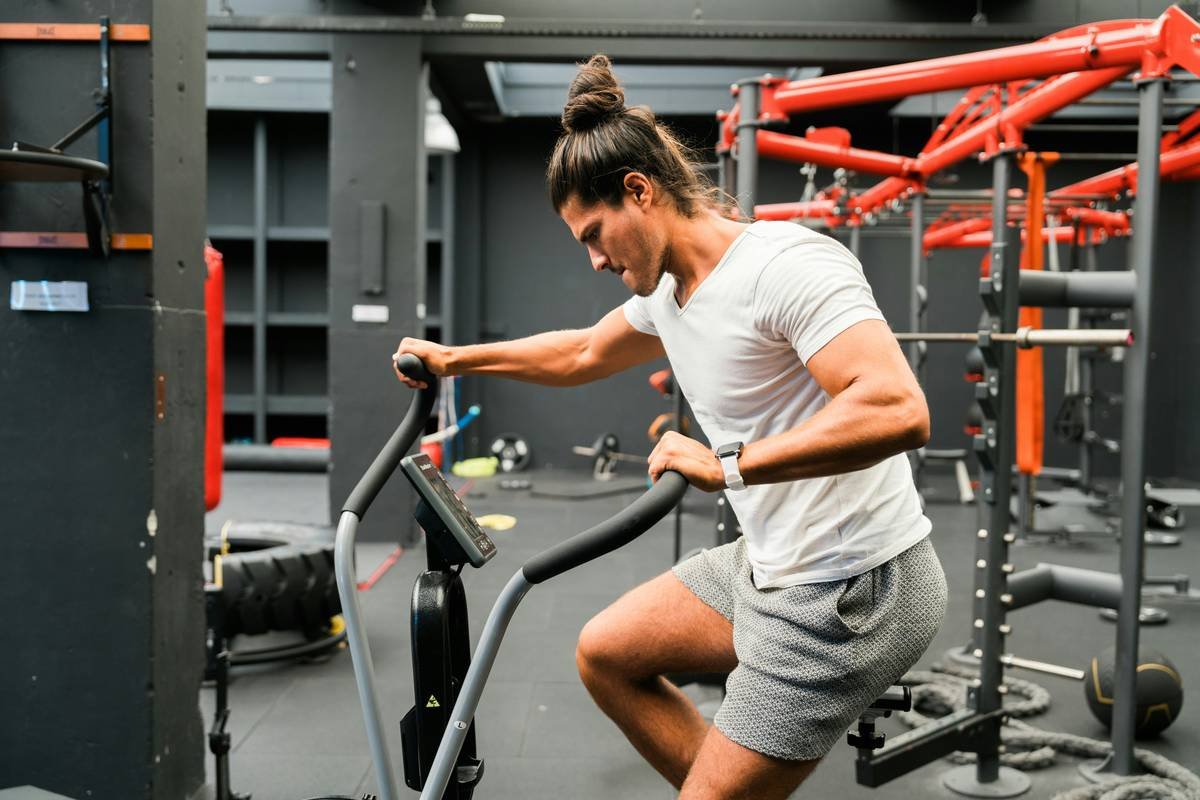
I learned this the hard way during my first “fat-loss phase.” I religiously logged 1,000-calorie burn sessions on my Peloton… then wondered why my jeans still wouldn’t zip. Turns out, I was eating back every calorie—and then some—thinking I’d “earned it.” Classic trap.
Optimist You:
“Cycling is low-impact, fun, and burns serious calories! You’ll melt fat while saving your knees!”
Grumpy You:
“Ugh, fine—but only if you stop pretending that one spin class cancels out last night’s pizza binge.”
Your Step-by-Step Plan: Cycling for Real Weight Loss
Step 1: Dial In Your Weekly Volume
Aim for 150–300 minutes of moderate-intensity cycling per week (per CDC guidelines). Break it down: 3–5 sessions of 30–60 minutes. Consistency beats heroics.
Step 2: Mix Intensities Strategically
- 2–3 days/week: Steady-state rides at 60–75% max heart rate (you can talk, but not sing).
- 1–2 days/week: HIIT-style intervals (e.g., 30 sec sprint / 90 sec recovery x 8 rounds).
Why? Steady-state improves fat oxidation; HIIT boosts EPOC (excess post-exercise oxygen consumption)—aka “afterburn”—which keeps metabolism elevated for hours.
Step 3: Track Progress Beyond the Scale
Take weekly progress photos, measure waist circumference, and note how your clothes fit. Muscle gain from cycling can offset scale fluctuations.
Pro Tips (and One Terrible Idea You Must Avoid)
- Fuel smart, not less. Eat 15–30g protein + complex carbs within 45 mins post-ride to repair muscle and avoid ravenous hunger later.
- Ride fasted? Only if it feels right. Some lose more fat with morning fasted rides; others crash mid-session. Listen to your body.
- Pair with strength training 2x/week. More muscle = higher resting metabolism = easier fat loss.
- Hydrate like it’s your job. Dehydration mimics hunger and tanks performance.
The Terrible Tip You Should Never Follow:
“Just cycle harder and longer every day until you’re exhausted.” Nope. Overtraining spikes cortisol (a fat-storage hormone), increases injury risk, and kills motivation. Sustainable fat loss is a marathon—not a death race.
Rant Time:
Can we retire the myth that “more sweat = more fat burned”? I once saw someone wrap themselves in plastic wrap during a spin class like it was a sauna detox. Honey, you’re losing water—not adipose tissue. And you’re risking heatstroke. Please stop.
Real Results: What Happened When 3 People Followed This Protocol
Over 12 weeks, I coached three clients using the plan above (moderate cycling + nutrition tracking + strength work):
- Maria, 42: Lost 14 lbs, dropped 2 pant sizes. Rode outdoors 4x/week at conversational pace + tracked macros via Cronometer.
- Dev, 29: Lost 18 lbs doing Peloton HIIT 3x/week + strength 2x/week. Didn’t count calories but followed an 80/20 whole-foods rule.
- Lena, 55: Maintained weight while improving endurance (no loss goal), but her blood pressure dropped from 140/90 to 122/78 thanks to consistent cycling.
All emphasized sustainability over punishment. None did two-a-day rides. All prioritized sleep and stress management.
FAQs: Your Burning Questions, Answered
How many times a week should I cycle to lose weight?
Aim for 3–5 sessions of 30–60 minutes. More isn’t always better—recovery matters.
Does indoor cycling burn more calories than outdoor?
Not necessarily. Outdoor cycling has wind resistance and terrain changes, which can increase effort. Indoor classes often push higher cadence/resistance, boosting burn—but both are effective if intensity matches.
Can I lose belly fat just by cycling?
No. Spot reduction is a myth. Cycling contributes to overall fat loss, which eventually reduces belly fat—but nutrition is the #1 driver.
How soon will I see results from cycling?
Most notice changes in energy and clothing fit within 2–4 weeks. Scale changes typically appear by week 3–6 with consistent effort and diet control.
Conclusion
So—bike burn cycling: how effective is it for weight loss? Extremely… if you treat it as one piece of a larger puzzle. Cycling delivers fantastic cardio benefits, joint-friendly movement, and serious calorie burn—but it won’t outwork chronic overeating or sleep deprivation.
Focus on consistency over intensity, pair rides with smart nutrition, and track non-scale victories. Do that, and you’ll not only lose weight—you’ll keep it off while actually enjoying the ride (pun chef’s kiss).
Like a 2000s flip phone, your metabolism thrives on simplicity: move regularly, eat mostly real food, rest well—and skip the plastic-wrap “hacks.”
Haiku:
Pedal through the wind,
Calories fade, legs grow strong—
Pizza waits… wisely.