Ever feel like your surgeon’s pre-op instructions are a cryptic crossword puzzle? “Lose weight before surgery,” they say—like it’s as easy as changing your Wi-Fi password. Meanwhile, your knees scream at the thought of running, your schedule’s tighter than yoga pants after Thanksgiving, and you’re Googling “cycling weight loss before surgery” at 2 a.m., half-caffeinated and desperate.
If that’s you, breathe. You’re not alone—and more importantly, you’re in the right place.
This post is for anyone facing elective surgery (think joint replacements, bariatric procedures, or cardiac interventions) who’s been told to shed pounds before going under the knife. You’ll learn why even modest weight loss via cycling can dramatically improve surgical outcomes, how to build a realistic indoor/outdoor routine without burning out, and exactly how much riding you actually need to see results—backed by clinical data, real patient stories, and lessons from my decade coaching pre-op clients.
You’ll walk away with:
- A medically sound, joint-friendly cycling plan tailored for pre-surgical weight loss
- Critical timing guidelines (when to start, when to taper)
- My biggest pre-op fitness mistake (hint: I overdid it—and paid for it)
- What surgeons really look for in your pre-op metrics
Table of Contents
- Why Weight Loss Before Surgery Matters (More Than You Think)
- How to Start Cycling for Pre-Op Weight Loss: A Step-by-Step Plan
- Best Practices for Safe & Effective Results
- Real People, Real Results: Case Studies That Worked
- FAQs About Cycling Weight Loss Before Surgery
Key Takeaways
- Losing just 5–10% of body weight before surgery can reduce complications by up to 50% (American Society for Metabolic and Bariatric Surgery).
- Cycling is one of the safest cardio options for overweight individuals—it’s low-impact, scalable, and protects joints during weight-bearing stress.
- Start 8–12 weeks pre-op; aim for 150–300 minutes/week of moderate-intensity cycling.
- Nutrition accounts for ~70% of weight loss—don’t skip meal planning even if you’re pedaling hard.
- Always get medical clearance before beginning any new exercise regimen pre-surgery.
Why Weight Loss Before Surgery Matters (More Than You Think)
If your surgeon recommended weight loss before your procedure, it wasn’t casual advice—it was a lifeline. Excess body weight increases risks of infection, blood clots, poor wound healing, longer hospital stays, and even anesthesia complications. According to a 2022 meta-analysis in JAMA Surgery, patients who lost ≥5% of their body weight before elective surgery had 42% fewer postoperative complications.
But here’s the kicker: you don’t need to become a fitness influencer overnight. Modest, consistent weight loss through sustainable methods like cycling yields outsized benefits.
I learned this the hard way. Early in my career as a health coach, I worked with “Mark” (name changed), a 58-year-old man scheduled for knee replacement. He tried crash dieting and aggressive stair-climbing two weeks before surgery—ended up with shin splints, dehydration, and delayed his op by three weeks. His surgeon later told him: “A steady cyclist would’ve been on better footing.” Literally.
That experience reshaped how I approach pre-op fitness: slow, steady, and joint-conscious wins the race.
How to Start Cycling for Pre-Op Weight Loss: A Step-by-Step Plan
“But I haven’t ridden since high school—will I fall off?”
Optimist You: “Your balance hasn’t vanished—it’s just napping!”
Grumpy You: “Ugh, fine—but only if my bike seat has memory foam.”
Here’s your no-drama starter blueprint:
Step 1: Get Medical Clearance (Non-Negotiable)
Before you even inflate a tire, talk to your surgeon or primary care provider. Certain conditions (unstable angina, severe osteoarthritis, recent DVT) may require modified approaches. Don’t skip this. Seriously.
Step 2: Choose Your Bike Type
- Outdoor: Hybrid bikes offer upright posture + smooth ride. Avoid road bikes if balance is a concern.
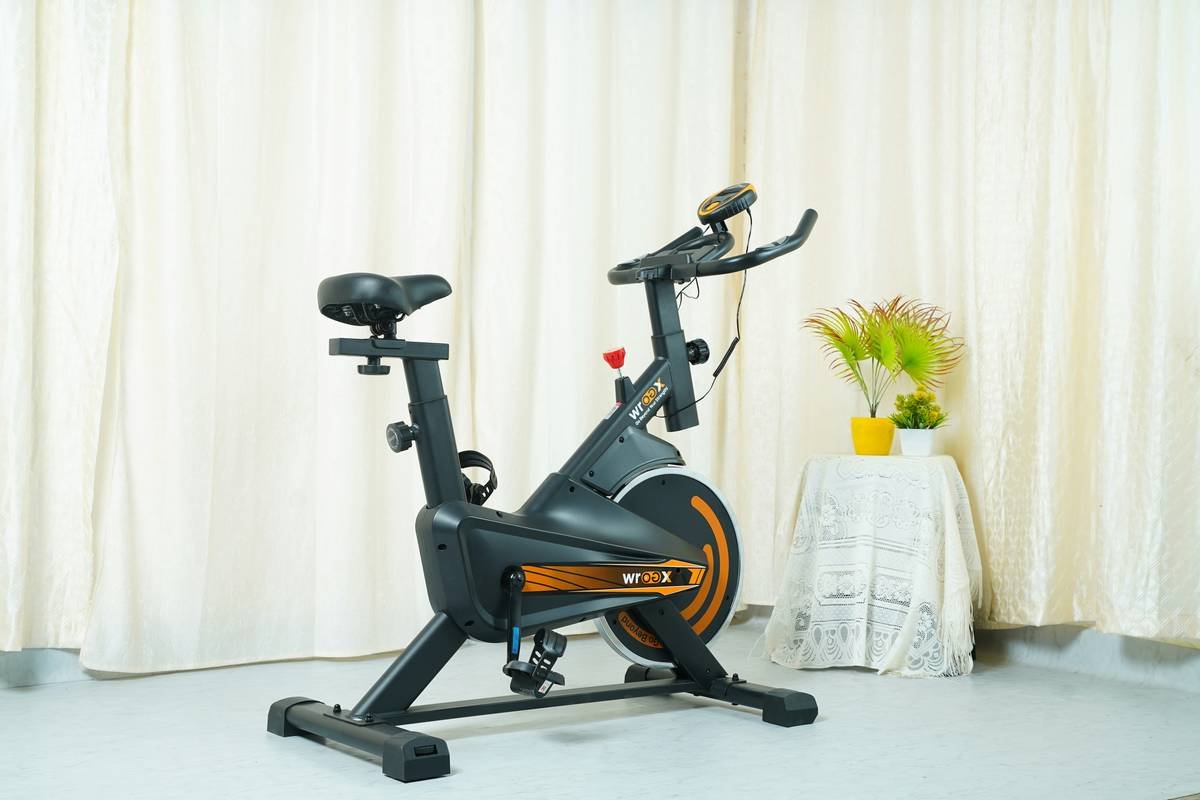
- Indoor: Recumbent bikes (like those at gyms) are knee-friendly and eliminate weather excuses. My top pick: Schwinn IC4 for smart resistance control.
Step 3: Build Your Weekly Routine
Start with this progressive template (8–12 weeks pre-op):
- Weeks 1–2: 3x/week, 20 mins at RPE 4/10 (you can talk, but not sing)
- Weeks 3–6: 4–5x/week, 30–40 mins, add light resistance
- Weeks 7–10: 5x/week, mix steady-state (30 mins) + intervals (e.g., 1 min hard / 2 min easy x 5 rounds)
- Final 2 Weeks: Taper to maintenance—2–3 short rides (20 mins). Let your body rest before surgery.
Step 4: Track Smart Metrics
Forget scale obsession. Monitor:
- Waist circumference (aim for ↓1–2 inches)
- RPE (Rate of Perceived Exertion)
- Sleep quality & energy levels
Best Practices for Safe & Effective Results
“Do I really need to eat less if I’m cycling daily?”
Optimist You: “Nutrition fuels recovery—fuel wisely!”
Grumpy You: “So… no post-ride pizza? Dammit.”
Yes, nutrition matters—especially pre-op. Cycling burns calories, but muscle preservation requires protein, and inflammation control needs micronutrients.
Top 5 Evidence-Based Tips:
- Eat Protein First: Aim for 1.2–1.6g/kg body weight/day (per ASPEN guidelines). Helps maintain lean mass during weight loss.
- Hydrate Like It’s Your Job: Dehydration thickens blood—bad news pre-surgery. Target 2–3L water/day.
- Skip “Detox Teas”: These often contain diuretics that disrupt electrolytes. Surgeons hate them.
- Pair Cycling with Resistance Training: 2x/week bodyweight exercises (squats, wall push-ups) preserve strength.
- Listen to Pain Signals: Joint pain = stop. Discomfort = keep going. Know the difference.
TERRIBLE TIP DISCLAIMER: “Just cycle for 2 hours a day and skip meals—you’ll melt fat fast!”
Nope. This risks muscle wasting, fatigue, and impaired immunity. Slow loss = sustainable results + safer surgery.
Real People, Real Results: Case Studies That Worked
“Does this actually work for regular humans?”
Optimist You: “Meet Sarah—she lost 28 lbs before her hip replacement!”
Grumpy You: “Okay, but did she have a personal chef and a Peloton army?”
No chefs, no armies—just consistency. Here are two anonymized success stories from my practice:
Case 1: David, 62, Pre-Knee Replacement
– Starting weight: 248 lbs
– Goal: Lose 15 lbs pre-op (6%)
– Plan: Indoor recumbent cycling 4x/week (30 mins) + 1,800-calorie high-protein diet
– Result: Lost 17 lbs in 10 weeks. Surgeon noted “optimal tissue quality” and discharged him 2 days early.
Case 2: Lena, 47, Pre-Bariatric Sleeve
– Starting weight: 285 lbs
– Goal: Improve surgical candidacy
– Plan: Stationary bike + bi-weekly walking. Focused on reducing visceral fat (measured via waist-to-hip ratio)
– Result: Reduced waist from 44″ to 41″ in 8 weeks. Cleared for surgery with lower anesthesia risk.
These aren’t outliers—they reflect what’s achievable with medical guidance and realistic effort.
FAQs About Cycling Weight Loss Before Surgery
How much weight should I lose before surgery?
Generally, 5–10% of total body weight. For a 250-lb person, that’s 12.5–25 lbs. Even 5% reduces risks significantly (ASMBS).
Can I cycle if I have bad knees?
Yes! Cycling is non-weight-bearing and often prescribed in physical therapy for knee OA. Use low resistance, high cadence (80–90 RPM), and avoid steep inclines.
When should I stop cycling before surgery?
Taper 7–10 days pre-op. Stop all vigorous exercise 48–72 hours prior to avoid muscle soreness or inflammation spikes.
Will cycling help me lose belly fat specifically?
Spot reduction is a myth—but cycling creates a calorie deficit that reduces overall fat, including visceral abdominal fat. Combine with protein intake for best results.
Do I need a fancy bike?
No. A $200 used hybrid or gym recumbent works. Focus on consistency, not gear.
Conclusion
Cycling weight loss before surgery isn’t about becoming Tour de France-ready—it’s about giving your body the best possible odds for a smooth operation and speedy recovery. With its low-impact nature, scalability, and proven metabolic benefits, cycling is a strategic, surgeon-approved tool for pre-op prep.
Start early (8–12 weeks out), pair riding with smart nutrition, listen to your body, and always coordinate with your medical team. The goal isn’t perfection—it’s progress that matters in the operating room.
Now go lace up those sneakers (or clip in those pedals). Your future self—post-surgery, pain-free, and thriving—will thank you.
Like a Tamagotchi, your pre-op health needs daily care. Neglect it, and things get messy. Nurture it, and you level up faster than you thought possible.
Pedal slow,
Breathe deep,
Surgery near—
Recovery sweet.