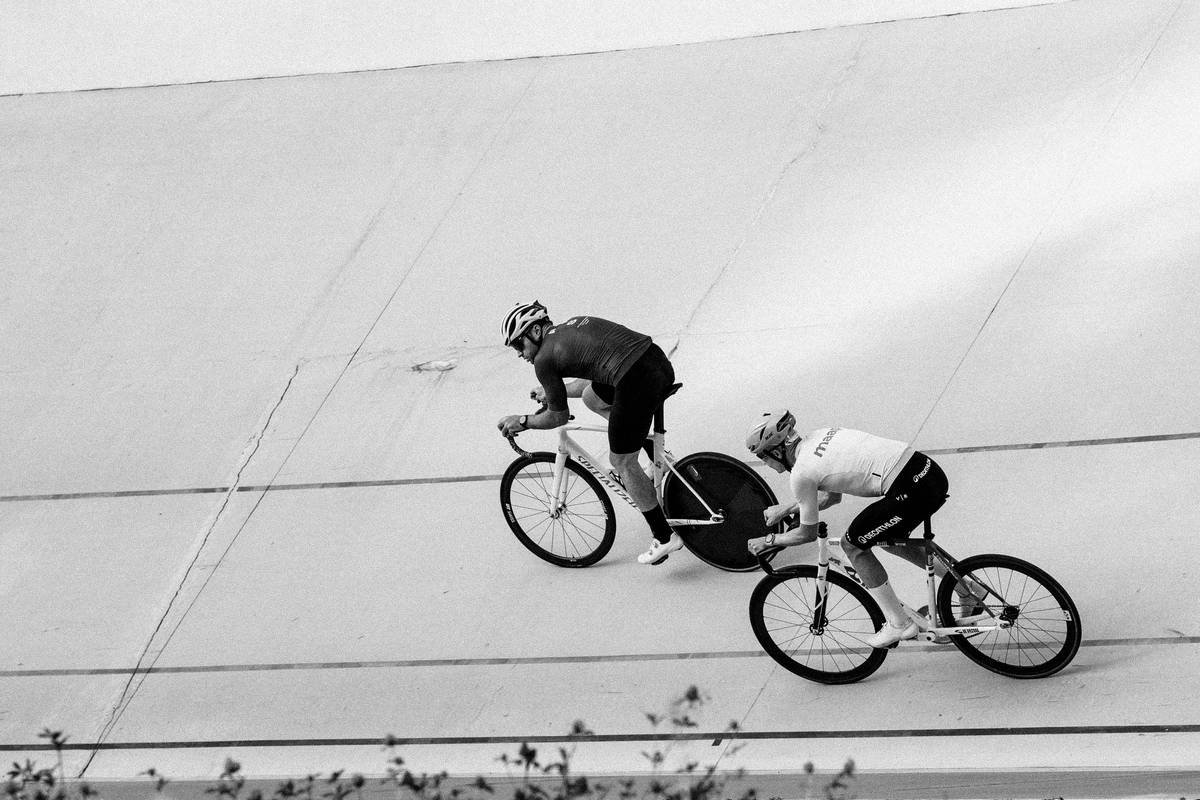
Ever felt like you’re pedaling endlessly but the scale refuses to budge? You’re not alone. Many weight-loss warriors jump on a bike, only to realize hours of steady-state cycling barely scratches the surface of their fitness goals. But what if there was a way to torch calories faster, build lean muscle, and crush your weight loss journey—all while enjoying the ride? Enter high intensity cycling interval training, your secret weapon for shedding pounds on two wheels.
In this post, we’ll dive deep into why high-intensity cycling intervals work so well for weight loss, how to perform them effectively, and tips to maximize results. Plus, expect some confessions, a rant section (because yes, even cycling has its frustrations), and an Easter egg to keep things fun!
Table of Contents
- Why High Intensity Cycling Intervals Work Wonders
- Step-by-Step Guide to Mastering High-Intensity Intervals
- Best Practices for Crushing Your Weight Loss Goals
- Real-World Success Stories from Cyclists Who Crushed It
- Frequently Asked Questions About High-Intensity Cycling
Key Takeaways
- High-intensity cycling intervals burn more calories in less time compared to steady-state cardio.
- This method boosts metabolism, builds endurance, and accelerates fat loss.
- Proper form, pacing, and recovery are essential for preventing injury and maximizing efficiency.
- Combining HIIT with proper nutrition amplifies weight loss outcomes significantly.
Why High Intensity Cycling Intervals Work Wonders
When I first got into cycling, I thought logging miles at a consistent pace would melt away my muffin top. Spoiler alert: it didn’t. After months of spinning circles without seeing results, I stumbled upon high-intensity interval training (HIIT). Long story short, one sweaty tabata session later, and I was hooked—literally dripping sweat, though.
Here’s why high-intensity cycling intervals work better than most workouts:
- Afterburn Effect: Unlike long, slow rides, these intense bursts kickstart excess post-exercise oxygen consumption (EPOC), where your body burns calories long after you’ve hopped off the saddle.
- Lean Muscle Gain: Pushing hard during sprints engages multiple muscle groups, helping tone legs, glutes, and core.
- Time Efficiency: Busy schedule? A 20-minute HIIT workout can deliver the same calorie burn as an hour-long moderate-paced ride.
Rant Break:
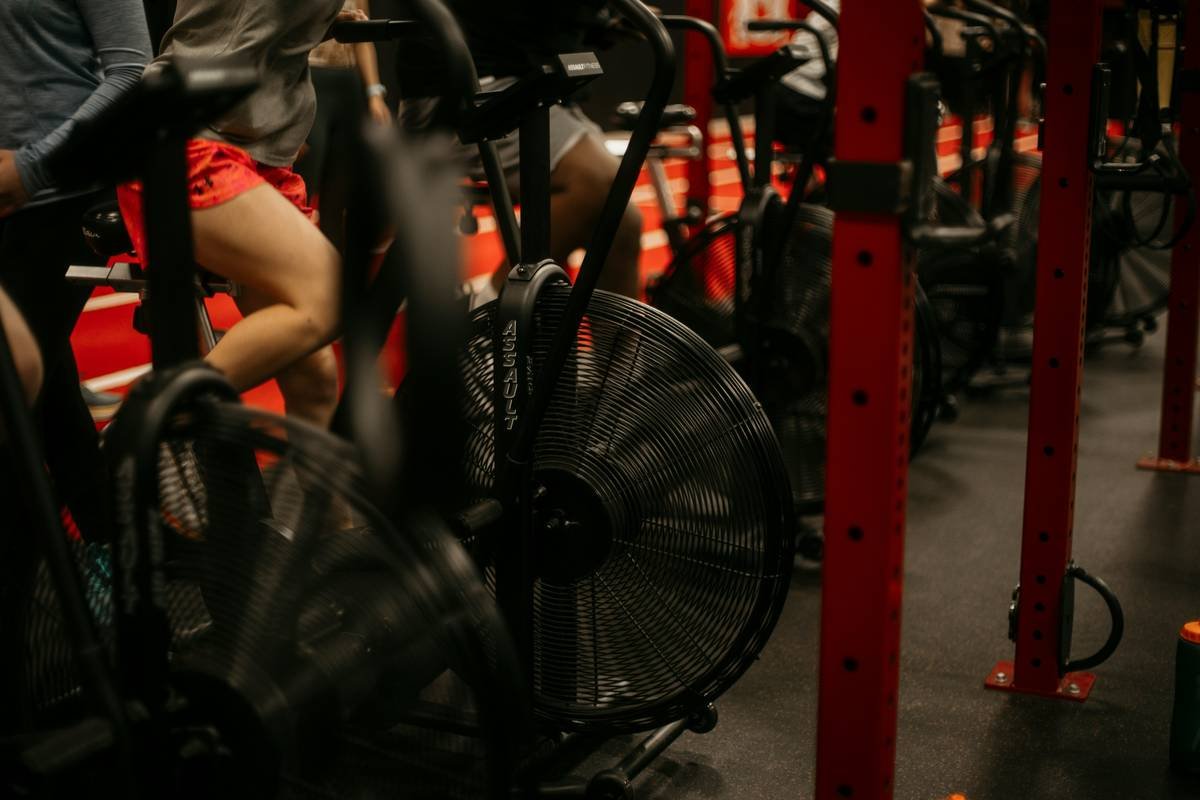
Let’s talk about those ridiculous Instagram influencers claiming they cycled their way to “effortless abs” without putting in any real effort. Honey, no. There’s nothing effortless about pushing yourself through grueling sprint intervals until your lungs feel like they’re auditioning for *American Idol*. Be wary of gimmicks—and embrace the grind!
Step-by-Step Guide to Mastering High-Intensity Intervals
*Optimist You*: “This sounds amazing! Let’s start right now.”
*Grumpy You*: “Ugh, fine—but remember to bring water or you’ll regret it.”
Here’s a step-by-step process to incorporate high-intensity cycling intervals into your routine:
1. Warm Up (5 Minutes)
Start with a gentle pedal to loosen up muscles and prep your cardiovascular system. Keep resistance low and focus on controlled breathing.
2. Sprint Intervals (20-30 Seconds)
Pick up the pace dramatically by increasing resistance and speed. Aim for 80-90% of your max effort during each sprint burst.
3. Recovery Periods (1-2 Minutes)
Cool down briefly by reducing resistance and easing back into a slower rhythm. Use this time to catch your breath before going again.
4. Repeat & Cool Down
Aim for 6-8 rounds total, ending with a cool-down stretch to prevent stiffness and soreness.
Best Practices for Crushing Your Weight Loss Goals
- Mix It Up: Vary resistance levels or try downhill/uphill simulations to target different muscle groups.
- Track Progress: Use apps like Strava or Garmin Connect to monitor improvements over time.
- Fuel Smartly: Pair your workouts with nutrient-dense snacks like protein shakes or bananas to refuel effectively.
Warning: Don’t fall for the terrible tip that skipping meals will boost fat loss. That strategy is chef’s kiss disastrous—it zaps energy and leaves you unmotivated.
Real-World Success Stories from Cyclists Who Crushed It
Sarah M., a busy mom of three, dropped 25 pounds in six months using high-intensity cycling intervals three times a week. She credits her success to consistency and the accountability provided by her local cycling group.
Frequently Asked Questions About High-Intensity Cycling
Is high-intensity cycling safe for beginners?
Yes—if approached gradually. Start with shorter sprints and lower intensities, then increase as endurance improves.
How often should I do high-intensity interval cycling?
Aim for 2-3 sessions per week to allow adequate recovery while reaping benefits.
Conclusion
Mastering high-intensity cycling intervals isn’t just about burning fat—it’s about unlocking a new level of physical and mental strength. Whether you’re chasing weight loss milestones or simply seeking a thrilling sweat session, this workout delivers. Remember, though, Rome wasn’t built in a day; consistency trumps perfection every time.
So grab your helmet, crank up the tunes, and get ready to rewrite your fitness story—one powerful pedal stroke at a time.
Like riding uphill against the wind,
Each push feels impossible,
But oh, the view is worth it.