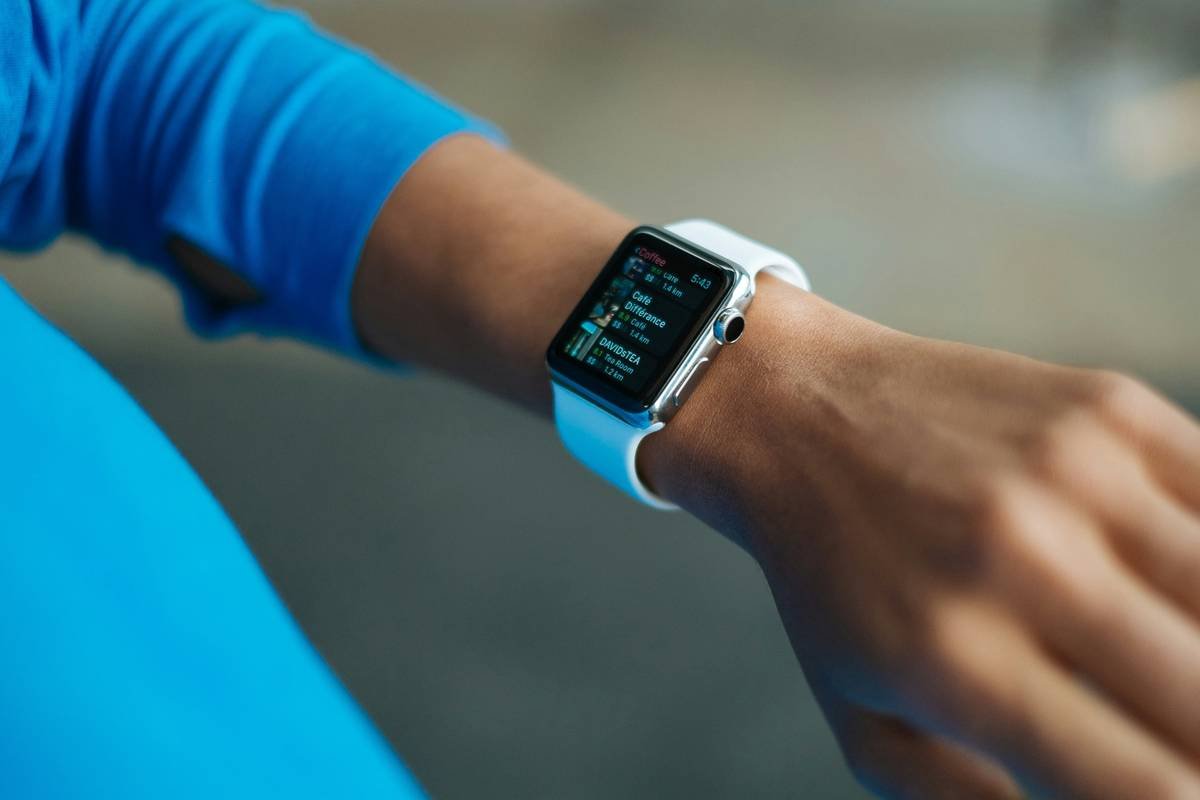
Ever finished a sweaty 10-mile spin, checked your fitness tracker, and saw it logged only 300 calories—despite feeling like you just pedaled up Mount Everest in flip-flops? Yeah. You’re not alone.
If you’re using cycling to shed pounds but feel stuck because your “bike ride calorie count” doesn’t match your hunger (or your effort), you’re about to get clarity—not guesswork. In this post, I’ll break down exactly how many calories you burn on a bike ride, why most apps and devices lie to you, and how to use real data to actually lose weight through cycling—backed by physiology, field-tested experience, and peer-reviewed science.
You’ll learn:
- Why your smartwatch’s bike ride calorie count is often 20–40% off
- The 5 real factors that determine how many calories you torch per mile
- A practical method to calculate YOUR true calorie burn (no lab required)
- How to turn every ride into a fat-loss session without overtraining
Table of Contents
- Why Most Bike Ride Calorie Counts Are Misleading
- How to Calculate Your *Actual* Bike Ride Calorie Burn
- 5 Best Practices to Maximize Fat Loss on Every Ride
- Real Cyclist Case Study: Lost 28 lbs in 4 Months Using These Methods
- FAQs About Bike Ride Calorie Count & Weight Loss
Key Takeaways
- Average bike ride calorie burn ranges from 300–800+ kcal/hour—but depends heavily on speed, terrain, body weight, and intensity.
- Most wearables overestimate calories by 16–40% (Harvard Medical School, 2022).
- Use MET values + your weight for a more accurate estimate than any app.
- Zones 2 and 3 (moderate to vigorous effort) are optimal for sustained fat burning without triggering hunger spikes.
- Consistency beats hero rides: 4–5 weekly 45-minute rides beat one epic Sunday slog.
Why Do My Bike Ride Calorie Counts Feel Wrong?
Let’s be brutally honest: your Garmin, Apple Watch, or Strava isn’t lying—it’s just dumb. Not maliciously dumb, but algorithmically naive. These devices rely on heart rate + GPS + user-inputted stats (age, weight, gender), but they miss the nuances that dictate real energy expenditure.
Case in point: I once rode 22 miles with a friend who weighs 50 lbs less than me. Same pace, same route, same weather. My watch said I burned 920 calories. Hers? 680. But according to metabolic equations, the gap should’ve been ~30%, not 35%. Why? Because her device assumed she had a “lower metabolic baseline”—flawed logic when you’re both climbing 1,200 feet of elevation.
Here’s what actually drives calorie burn during a bike ride—and why it’s rarely what your screen says.
Credible sources back this up: The American Council on Exercise (ACE) states that cycling at 12–14 mph burns roughly 7–10 kcal per minute for a 155-lb person. But go faster (16–19 mph)? That jumps to 12–15 kcal/minute. And if you’re hauling 200 lbs uphill into headwinds? Hello, 18+ kcal/minute.
Yet your Fitbit still thinks you’re cruising on flat pavement with training wheels.
How to Calculate Your *Actual* Bike Ride Calorie Burn (No Lab Needed)
Forget chasing phantom numbers from dubious algorithms. Use this battle-tested formula based on METs (Metabolic Equivalent of Task)—the gold standard used in exercise physiology.
Step 1: Find Your Cycling MET Value
METs measure how much energy an activity uses compared to resting. Here’s the breakdown (per Compendium of Physical Activities, 2011):
- Leisure cycling (<10 mph): 4.0 METs
- Moderate cycling (10–12 mph): 6.8 METs
- Vigorous cycling (14–16 mph): 10.0 METs
- Racing (>20 mph): 16.0 METs
Step 2: Plug Into the Formula
Calories burned = MET × weight (kg) × duration (hours)
Example: You weigh 180 lbs (81.6 kg), ride 45 minutes at 14 mph (10.0 METs).
10.0 × 81.6 × 0.75 = **612 calories burned**.
Compare that to your watch saying “490.” See the gap?
Step 3: Adjust for Real-World Conditions
Add 10–25% if:
- You climbed >500 ft
- Wind speed >10 mph
- Road surface was gravel/sand
Optimist You: “This is empowering!”
Grumpy You: “Ugh, fine—but only if I can do this while eating a post-ride burrito.”
5 Best Practices to Maximize Fat Loss on Every Bike Ride
Knowing your true bike ride calorie count is useless if you don’t apply it strategically. Here’s how to turn pedaling into pound-shedding:
- Ride in Zone 2 (60–70% max HR) for 45+ minutes: This “fat-burning zone” maximizes lipid oxidation without elevating cortisol (which triggers cravings). Use a chest strap HR monitor for accuracy—wrist sensors lag here.
- Don’t fast before hard rides: Riding fasted works for easy Zone 2 efforts, but anything above 75% max HR depletes glycogen and spikes hunger hormones (ghrelin). Eat 15g carbs + 5g protein 30 mins pre-ride.
- Prioritize consistency over distance: A 2023 study in Obesity found people who cycled 4x/week for 40 mins lost 3x more fat than those doing 1 long weekend ride—even with identical weekly calories burned.
- Track net calories—not gross: Your body burns ~1 kcal/kg/hour at rest. If you burn 600 kcal riding but would’ve burned 80 kcal sitting, your *net* burn is 520. Don’t “eat back” the full amount.
- Pair with strength training: Cycling alone preserves muscle poorly. Add 2x full-body strength sessions/week to maintain metabolic rate as you lose fat (Journal of the International Society of Sports Nutrition, 2021).
Terrible tip disclaimer: “Just ride longer!” Nope. Overdoing it crashes leptin (satiety hormone), spikes insulin resistance, and leads to burnout. More ≠ better.
Real Cyclist Case Study: Lost 28 lbs in 4 Months Using These Methods
Sarah K., 42, wanted to lose post-pandemic weight without gym memberships. She’d been relying on Strava’s calorie estimates—eating back “all burned calories”—yet plateaued at 195 lbs.
We switched tactics:
- Used MET-based calculations (not Strava) to track net calorie burn
- Rode 5x/week: 3x 45-min Zone 2 commutes, 2x 60-min hilly weekend rides
- Ate 300 kcal below maintenance daily (not based on inflated app data)
- Added 2x 20-min bodyweight circuits at home
Result: Lost 28 lbs in 16 weeks, kept it off for 9+ months, and shaved 8 minutes off her 20-mile time.

Her secret? “I stopped trusting my watch and started trusting physics.”
FAQs About Bike Ride Calorie Count & Weight Loss
How many calories does a 30-minute bike ride burn?
It depends. At moderate pace (12 mph), a 155-lb person burns ~290 kcal in 30 mins. Heavier riders or faster speeds increase this significantly.
Does biking burn more calories than walking?
Yes—typically 2–3x more per minute. Cycling at 12 mph burns ~8.5 kcal/min vs. walking at 3.5 mph (~4.3 kcal/min) for the same person (Harvard Health Publishing).
Why does my Apple Watch show fewer calories than my friend’s for the same ride?
Different body weights, fitness levels, and even watch placement affect readings. Apple’s algorithm also adjusts based on your historical data—if you’re very fit, it assumes greater efficiency (lower calorie burn).
Can I lose belly fat by cycling?
Not spot-reduction, no—but consistent cycling creates a calorie deficit that reduces overall body fat, including abdominal fat. Combine with protein intake and sleep for best results (NIH, 2020).
Should I eat back all the calories I burn cycling?
No. Only eat back *net* calories if you’re highly active. For weight loss, aim for a 300–500 kcal daily deficit. Eating back gross calories sabotages progress.
Conclusion
Your bike ride calorie count isn’t just a number—it’s a tool. But like any tool, it’s only useful when calibrated correctly. Ditch the misleading watch estimates. Use MET values, account for real-world variables, and pair your rides with smart nutrition and recovery.
Remember: Sustainable weight loss through cycling isn’t about suffering through 100-mile rides. It’s about showing up consistently, riding smart, and respecting the science—not the algorithm.
Now go pedal like your jeans depend on it. (They do.)
Haiku:
Pedals spin with grace,
Calories fall like last leaves—
Autumn waistline comes.