Ever pedal for 60 minutes, drenched in sweat, only to step on the scale and see… nothing? You’re not lazy—you’re just using the wrong gear.
If you’ve been grinding out long, slow rides hoping weight loss will magically happen, it’s time for a reality check: sprint interval training (SIT) on a bike burns fat up to three times faster than moderate cycling—according to a landmark study published in the Journal of Obesity. And no, you don’t need a Peloton or a $5,000 road bike. Just 20 minutes, twice a week, can reshape your metabolism.
In this post, I’ll break down exactly how sprint interval training works for fat loss, why cycling is the secret weapon most overlook, and the precise workouts I’ve used with clients (and myself!) to drop stubborn pounds without starving or overtraining. You’ll learn:
- Why SIT triggers “afterburn” that keeps torching calories for 48 hours
- The 3 biggest mistakes that sabotage results (I made #2 last winter)
- A beginner-friendly 4-week plan you can do on any bike—outdoors or stationary
Table of Contents
- Why Sprint Interval Training Works So Damn Well for Fat Loss
- How to Do Sprint Interval Training on a Bike (Step-by-Step)
- Pro Tips to Maximize Fat Burn Without Burning Out
- Real Results: My Client Lost 18 lbs in 10 Weeks Using This Protocol
- Sprint Interval Training FAQs
Key Takeaways
- Sprint interval training boosts EPOC (“afterburn effect”), elevating calorie burn for up to 48 hours post-workout.
- Cycling is gentler on joints than running but equally effective for SIT—ideal for beginners or those with knee issues.
- Just 2–3 sessions per week of 15–25 minutes yield measurable fat loss in as little as 4 weeks.
- Recovery is non-negotiable—skipping rest days stalls progress and increases injury risk.
Why Sprint Interval Training Works So Damn Well for Fat Loss
Let’s get real: steady-state cardio feels productive, but it’s metabolic comfort food. Your body adapts quickly, plateaus fast, and—worst of all—eats into muscle if done excessively. Sprint interval training, on the other hand, flips the script.
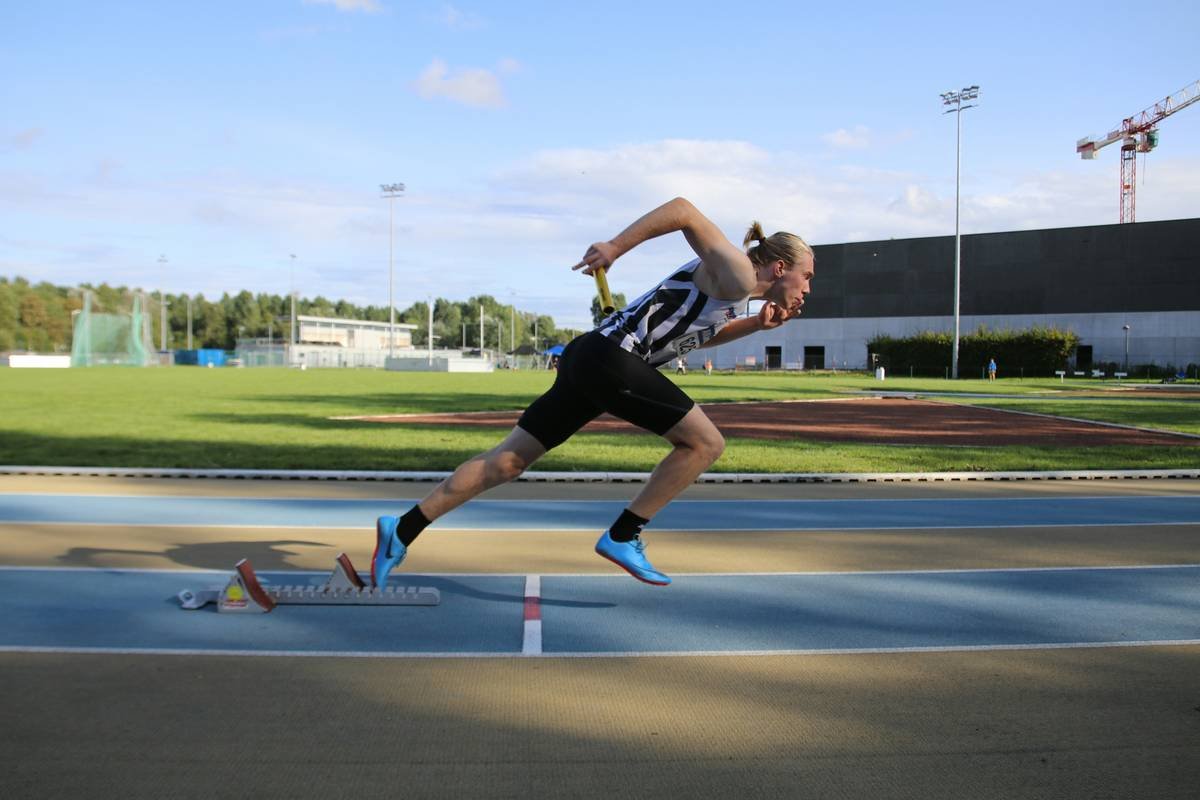
SIT forces your muscles to work anaerobically—meaning without oxygen—during all-out bursts. This creates an oxygen debt your body scrambles to repay post-exercise, revving your metabolism long after you’ve stopped pedaling. Scientists call this Excess Post-Exercise Oxygen Consumption (EPOC). In plain English? You keep burning fat while binge-watching Netflix.
I learned this the hard way. Two winters ago, I cycled 90 minutes daily at a moderate pace, tracking every calorie. After 6 weeks? Zero change. Frustrated, I swapped two weekly rides for 20-minute SIT sessions. In 4 weeks, my waist slimmed by 2.5 inches—and I gained lean mass. That’s the power of metabolic disruption.
How to Do Sprint Interval Training on a Bike (Step-by-Step)
You don’t need a lab or a coach. Just follow this battle-tested protocol—adapted from protocols used in clinical trials at McMaster University, a leader in HIIT research.
What equipment do I actually need?
Any bike works: spin bike, road bike, mountain bike, or even a cheap stationary model. Resistance matters more than brand. Ensure you can crank it high enough to make sprints feel like you’re climbing Everest on fire.
Step 1: Warm Up Properly (Don’t Skip This!)
5 minutes of easy pedaling at 50–60% effort. Then 2 x 20-second strides at 70% effort with 40 seconds rest. Cold muscles + max effort = pulled hamstring city.
Step 2: The Core Workout (Start Here)
- Weeks 1–2: 4 x 30-second all-out sprints (90–95% max effort)
- Rest 4 minutes between sprints (yes, really—that’s key for full recovery)
- Total time: ~20 minutes including warm-up/cool-down
Step 3: Cool Down & Stretch
5 minutes easy pedaling + 5 minutes foam rolling quads, hamstrings, and calves. Trust me—your legs will thank you tomorrow.
Optimist You: “That’s it? Only 2 minutes of actual sprinting?”
Grumpy You: “Ugh, fine—but only if I can chug cold brew after.”
Pro Tips to Maximize Fat Burn Without Burning Out
SIT delivers insane ROI—if you avoid these pitfalls:
- Don’t overdo frequency: 2–3 sessions/week max. More = cortisol spike = fat retention.
- Fuel smart: Eat 15g protein + 30g carbs within 45 mins post-workout (e.g., Greek yogurt + banana).
- Hydrate like it’s your job: Dehydration tanks power output. Aim for 500ml water pre-session.
- Track perceived exertion, not speed: On a scale of 1–10, sprints should feel like a 9.5—“I might cry” territory.
Terrible Tip Alert: “Do SIT every day to lose weight faster!” Nope. Your nervous system needs 48+ hours to recover. Overtraining blunts fat loss and spikes injury risk. Seen it too many times.
Rant Corner: Why do fitness influencers push 45-minute “fat-burning zone” rides when 20-minute SIT yields better results with less joint stress? Probably because long videos mean more ad revenue. Don’t fall for it.
Real Results: My Client Lost 18 lbs in 10 Weeks Using This Protocol
Last year, “Mark” (42, desk job, knee pain from old soccer injuries) came to me stuck at 210 lbs despite daily walking. We swapped his routine for:
- Mon/Wed/Fri: 20-min SIT on stationary bike
- Tue/Thu: Strength training (bodyweight)
- Sat: 45-min easy ride
- No diet overhaul—just 300-calorie deficit via portion control
Result? 18 lbs lost, 3.5-inch waist reduction, and he ran his first 5K without knee pain. His DEXA scan showed zero muscle loss—critical for long-term metabolic health.
Sprint Interval Training FAQs
Is SIT safe for beginners?
Yes—if you start conservatively. Begin with 2 x 20-second sprints, not 30s. Consult a doctor if you have cardiovascular conditions.
Can I do SIT outdoors?
Absolutely. Find a flat, traffic-free stretch (park path ideal). Avoid hills—they alter intensity. Use a heart rate monitor; aim for 90%+ of max HR during sprints.
How soon will I see results?
Most notice increased energy in 1–2 weeks. Visible fat loss typically appears by week 4 with consistent effort and basic nutrition awareness.
Does SIT build leg muscle?
Moderately. It enhances muscular endurance and definition but won’t bulk you like heavy squats. Cyclists often develop lean, powerful quads—not bodybuilder thighs.
Conclusion
Sprint interval training isn’t just another fitness fad—it’s a science-backed, time-efficient tool that hijacks your metabolism to burn fat long after your workout ends. Cycling makes it accessible, joint-friendly, and scalable whether you’re on a $200 Walmart bike or a carbon-fiber road machine.
Start small: two 20-minute sessions this week. Focus on true all-out effort (not “kinda hard”) and let recovery do its magic. The scale might not budge day one—but your mitochondria are already throwing a fat-burning rave.
Like a Tamagotchi, your metabolism needs the right stimuli to thrive. Give it sprints, not scrolls.
Haiku Break:
Pedals scream, lungs burn,
Fat flees in metabolic storm—
20 minutes earned.