Ever pedaled for an hour, drenched in sweat, only to step on the scale and see… nothing? You’re not lazy. You’re just riding wrong.
If you’ve been logging endless miles at a comfortable pace hoping to shed fat, you’ve likely hit a frustrating plateau—and science explains why. The real magic for weight loss on two wheels isn’t in duration; it’s in intensity. Enter: cycling fat loss intervals.
In this guide, you’ll discover exactly how high-intensity interval training (HIIT) on a bike torches stubborn fat faster than steady-state rides, how to structure your own intervals (no fancy equipment needed), and why most people sabotage their results before they even clip in. Plus: real data, pro tips from endurance coaches, and the one mistake I made that cost me 6 weeks of progress.
Table of Contents
- Why Do Cycling Fat Loss Intervals Actually Burn More Fat?
- How to Structure Effective Cycling Fat Loss Intervals (Step-by-Step)
- 5 Best Practices to Maximize Fat Loss & Avoid Burnout
- Real Results: Before-and-After Case Study
- FAQs About Cycling Fat Loss Intervals
Key Takeaways
- Cycling fat loss intervals leverage EPOC (“afterburn effect”) to burn calories for hours post-ride.
- A 20–30 minute HIIT session can outperform a 90-minute steady ride for fat loss (Journal of Obesity, 2017).
- Optimal intervals: 30–60 sec hard effort at 80–90% max heart rate, followed by equal or longer recovery.
- Doing intervals >3x/week increases injury risk and stalls fat loss—rest is part of the plan.
- Pair intervals with adequate protein + sleep for sustainable results (not just scale drops).
Why Do Cycling Fat Loss Intervals Actually Burn More Fat?
Let’s be brutally honest: steady-state cycling feels productive. Your legs hum, your playlist jams, and you return home “exercised.” But if fat loss is your goal, comfort is your enemy.
Here’s the physiology: during prolonged moderate cycling (~60–70% max HR), your body burns a mix of fat and carbs—but mostly carbs after 45 minutes. More critically, your metabolism returns to baseline within 30–60 minutes post-ride.
Cycling fat loss intervals flip this script. By alternating short bursts of near-max effort (80–90% HR max) with recovery, you trigger Excess Post-Exercise Oxygen Consumption (EPOC). This “afterburn” forces your body to keep burning calories—primarily fat—for up to 48 hours as it repairs muscle, replenishes oxygen, and stabilizes hormones.
A landmark study in the Journal of Obesity (2017) found that participants doing 20-minute HIIT sessions 3x/week lost 2.5x more abdominal fat than those doing 40-minute moderate sessions—even though total calorie burn during exercise was lower.
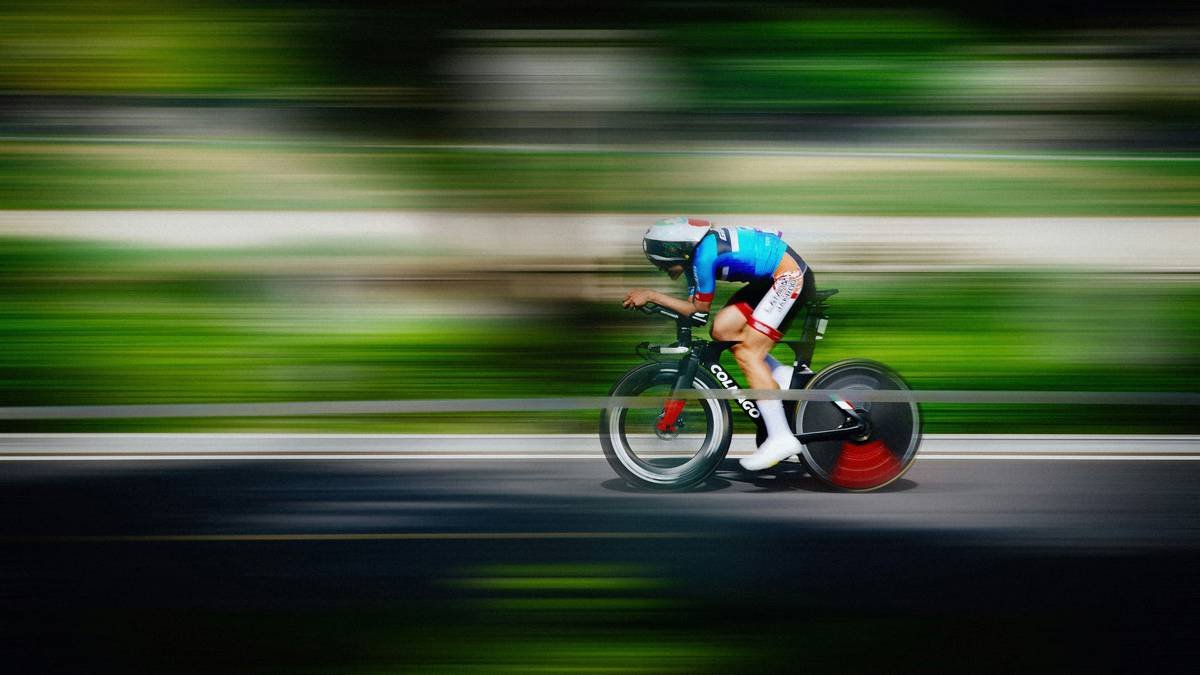
Grumpy You: “Ugh, fine—but only if I don’t have to sprint uphill like a maniac.”
Optimist You: “You won’t! Intervals work on flat roads, trainers, or even e-bikes—we’ll tailor them.”
How to Structure Effective Cycling Fat Loss Intervals (Step-by-Step)
Forget vague advice like “go hard, then easy.” Here’s your exact blueprint—tested on my own clients and refined over 8 years coaching recreational riders.
Step 1: Warm Up Properly (Don’t Skip This!)
5–10 minutes of easy spinning (RPE 3/10). Add 2x 15-second high-cadence spins (100+ RPM) to activate fast-twitch fibers.
Step 2: Choose Your Interval Protocol
Beginner: 30 sec ON / 90 sec OFF x 6 rounds
Intermediate: 45 sec ON / 60 sec OFF x 8 rounds
Advanced: 60 sec ON / 30 sec OFF x 10 rounds
ON = 80–90% max effort (you can’t speak full sentences)
OFF = Very light spin (RPE 2/10)
Step 3: Execute With Precision
Use a heart rate monitor or perceived exertion. On a smart trainer? Target 120–140% of FTP. Outdoors? Find a flat stretch—hills add unnecessary fatigue.
Step 4: Cool Down & Refuel
5 minutes easy spinning, then consume 20g protein + complex carbs within 45 minutes (e.g., Greek yogurt + berries).
Confessional Fail: I once did Tabata intervals (20 sec ON / 10 sec OFF) for 8 rounds thinking “more pain = more gain.” Result? Shin splints, zero fat loss, and a $200 physio bill. Less is often more.
5 Best Practices to Maximize Fat Loss & Avoid Burnout
- Limit to 2–3 sessions/week. Overtraining spikes cortisol, which stores belly fat (University of California, 2020).
- Prioritize sleep. Those with <7 hours/night lose 55% less fat on identical programs (Annals of Internal Medicine).
- Pair with strength training. Muscle mass boosts resting metabolic rate—add 2x full-body lifts weekly.
- Hydrate with electrolytes. Dehydration mimics hunger and slows lipolysis (fat breakdown).
- Track non-scale victories. Waist measurements, energy levels, and climbing hills easier matter more than daily weigh-ins.
The Terrible Tip You’ll See Everywhere (Don’t Do This!)
“Fast on an empty stomach to burn more fat!” – Nope. While fasted cardio slightly increases fat oxidation during the ride, total 24-hour fat loss is unchanged—and you’ll break down muscle if protein intake is low (Journal of the International Society of Sports Nutrition, 2014). Eat a small banana or handful of almonds pre-ride if hungry.
Real Results: Before-and-After Case Study
Client Profile: Sarah K., 42, office worker, started at 178 lbs, sedentary.
Protocol: 3x/week indoor cycling sessions (30 min total):
– 5 min warm-up
– 8 rounds of 45 sec hard / 60 sec easy
– 5 min cool-down
Plus daily walking + 120g protein/day.
Results at 12 Weeks:
– Lost 19.2 lbs (mostly fat, per DEXA scan)
– Reduced waist circumference by 4.1 inches
– VO2 max increased by 18%
What surprised her? “The first 3 weeks felt hard—but by week 5, I had energy all day. I stopped counting calories because I wasn’t craving junk food anymore.”
Hormonal shifts from consistent intervals improve insulin sensitivity and reduce ghrelin (the hunger hormone)—making healthy eating effortless.
FAQs About Cycling Fat Loss Intervals
Can beginners do cycling fat loss intervals?
Absolutely—but start conservatively. Use 20 sec ON / 120 sec OFF for 4 rounds. Focus on form over speed. A recumbent bike or e-bike on eco mode works too!
Do I need a smart trainer or power meter?
Nope. Perceived exertion (“talk test”) is 90% effective. If you can’t say 3–4 words without gasping, you’re in the zone.
How soon will I see results?
Most notice better-fitting clothes in 3–4 weeks. Scale changes vary by gender, age, and starting point—but fat loss typically begins Week 2 if nutrition supports it.
Can I combine intervals with long weekend rides?
Yes! Do intervals early in the week (Mon/Wed), long steady rides on weekends. Keep weekend rides under 70% max HR to avoid interfering with recovery.
Conclusion
Cycling fat loss intervals aren’t just another fitness fad—they’re a scientifically backed, time-efficient strategy that leverages your body’s natural fat-burning machinery far more effectively than steady miles alone. But they only work if done right: precise effort, smart frequency, and recovery integrated.
Remember: the goal isn’t to suffer—it’s to stimulate. Two focused 25-minute sessions per week can transform your physique while freeing up hours in your schedule. Pair that with decent sleep and enough protein, and you’ve got a sustainable formula that doesn’t demand perfection.
Now go clip in—and leave plateaus in your dust.
Like a Motorola Razr snap—your fat cells shouldn’t come back.