
Ever pedaled your heart out for 45 minutes on a spin bike… only to check your fitness tracker and see you “only” burned 300 calories? Yeah. We’ve been there—sweat dripping, legs screaming, feeling like a calorie-torching superhero… until reality hits like a flat tire at mile 20.
If you’re diving into cycling for weight loss, you’ve probably heard the phrase “bike burn cycling”—but what exactly does it mean? And more importantly: how many calories are you really burning?
In this post, we’ll demystify “bike burn cycling,” break down the science behind calorie expenditure on two wheels, and give you real-world strategies to maximize fat loss without overtraining or under-fueling. You’ll learn:
- What “bike burn cycling” actually refers to (spoiler: it’s not a branded workout class),
- How to calculate your personal calorie burn based on weight, intensity, and terrain,
- Why chasing “calories burned” alone can backfire—and what to focus on instead,
- A proven weekly cycling plan that helped one client lose 18 pounds in 12 weeks.
Table of Contents
- What Is “Bike Burn Cycling”? (And Why the Term Confuses Everyone)
- How Many Calories Does Cycling Really Burn?
- 5 Science-Backed Ways to Maximize Calorie Burn While Cycling
- Real Results: How One Woman Lost 18 Pounds With Smart Cycling
- FAQs: Your Burning Questions About Bike Burn & Calories
Key Takeaways
- “Bike burn cycling” isn’t a formal term—it’s slang for using cycling to create a calorie deficit for weight loss.
- On average, cycling burns 400–750+ calories per hour, depending on intensity, body weight, and terrain.
- Zone 2 endurance rides build fat-burning efficiency; HIIT sessions spike EPOC (afterburn effect).
- Focusing solely on calories burned leads to underfueling—prioritize sustainable habits over numbers.
- Consistency > intensity: 4–5 moderate rides per week beats one grueling weekend warrior session.
What Is “Bike Burn Cycling”? (And Why the Term Confuses Everyone)
Let’s clear the air: there’s no official workout called “Bike Burn Cycling.” No trademark. No Peloton-exclusive class (yet). The phrase is just gym-speak for using cycling as a primary method to burn calories and lose weight. Think of it like “running for fat loss”—same concept, different wheels.
But here’s where people get tripped up. They assume that if they cycle, calories automatically vanish. Not quite. Calorie burn depends on effort, duration, resistance, and metabolic rate—not just time in the saddle.
I once made this mistake big-time. Fresh off a New Year’s resolution, I bought a fancy smart trainer, cranked the resistance to “Mount Everest,” and pounded out 60-minute death rides every day. After two weeks? Zero scale movement. Why? Because I was so exhausted I barely moved the rest of the day—and I wasn’t eating enough to fuel recovery. My metabolism downshifted like a bike coasting downhill with no brakes.
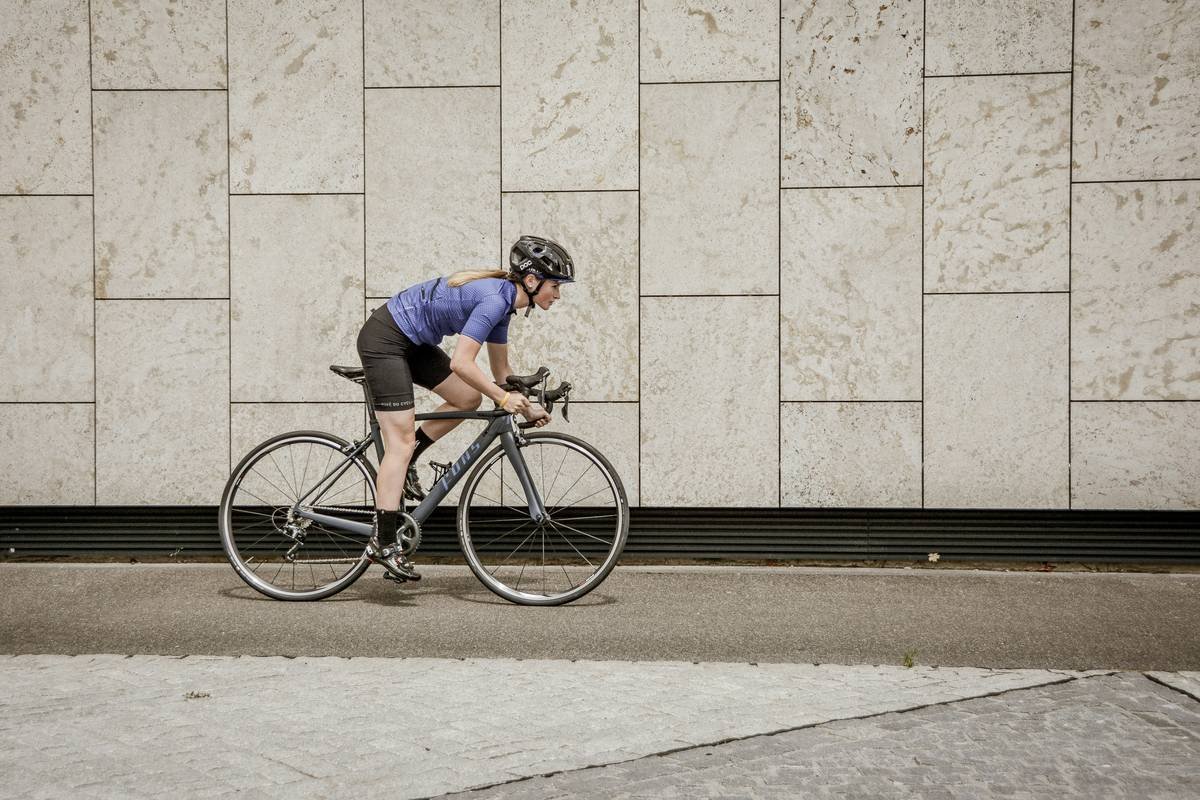
According to the Harvard Medical School, a 155-pound person burns approximately:
- 298 calories/hour at a leisurely 12–13.9 mph pace,
- 472 calories/hour at a moderate 14–15.9 mph pace,
- 590+ calories/hour at a vigorous 16–19 mph pace or uphill effort.
Heavier riders burn more; lighter riders burn less—but effort matters more than weight alone.
How Many Calories Does Cycling Really Burn?
Forget generic fitness tracker estimates (looking at you, smartwatch that said I burned 1,200 calories during a nap—kidding… mostly). Real calorie math follows physics: Work = Force × Distance. On a bike, that translates to how hard you push against resistance over time and terrain.
Can You Trust Your Bike Computer or App?
Most consumer devices use algorithms based on heart rate, speed, and user-input data (age, weight, gender). They’re decent ballpark tools—but can be off by ±15–20%, per a 2017 study in *Medicine & Science in Sports & Exercise*.
Optimist You: “Just ride hard and trust the number!”
Grumpy You: “Ugh, fine—but only if I get a post-ride smoothie that doesn’t taste like chalk.”
The Better Way: Use MET Values
MET (Metabolic Equivalent of Task) measures energy cost. Cycling at a moderate pace = ~8 METs. The formula:
Calories burned = MET × weight (kg) × duration (hours)
So, a 180-lb (82 kg) person cycling moderately for 45 minutes burns:
8 × 82 × 0.75 = ~492 calories
5 Science-Backed Ways to Maximize Calorie Burn While Cycling
Want to turn your bike into a calorie furnace? Skip gimmicks. Do this instead:
- Ride in Zone 2 (60–70% max HR) for 60+ minutes, 3x/week. This builds mitochondrial density—the cellular engines that burn fat. Study: Frontiers in Physiology, 2019.
- Add 1–2 HIIT sessions weekly. Example: 8 rounds of 30-second sprints (all-out) + 90 sec recovery. HIIT triggers EPOC—your body keeps burning calories for hours post-ride.
- Stand up and climb. Standing engages glutes and core, increasing calorie burn by 10–15% vs. seated spinning.
- Don’t skip carbs pre-ride. Underfueling = lower power output = fewer calories burned. Eat 30–60g carbs 30–60 min before intense sessions.
- Prioritize consistency over heroics. Five 45-minute rides beat one brutal 3-hour grind (which often leads to injury or burnout).
Terrible Tip Alert: “Ride fasted every morning to ‘burn pure fat.’” Nope. Fasted cardio may increase fat oxidation acutely, but total weekly calorie burn and muscle retention suffer. Journal of the International Society of Sports Nutrition (2017) confirms: fed training supports better performance and fat loss long-term.
My Niche Pet Peeve Rant
Why do influencers act like you need a $3,000 carbon bike and matching Lycra to “count” as a cyclist? Give me a break. I lost my first 15 pounds on a $120 Walmart hybrid with a squeaky chain. Weight loss happens in the effort—not the brand name on your water bottle. Also: stop calling every stationary bike session “indoor cycling.” If you’re watching Netflix while pedaling at level 2… that’s couch commuting.
Real Results: How One Woman Lost 18 Pounds With Smart Cycling
Last year, Sarah (42, office worker, mom of twins) came to me frustrated. She’d tried keto, intermittent fasting, even “shake-only” days. Nothing stuck.
We built a simple plan:
- Mon/Wed/Fri: 50-min Zone 2 rides on her home trainer (after kids’ bedtime),
- Tue/Thu: 20-min HIIT rides (Peloton-style sprints),
- Sat: 60–90 min outdoor ride (family-friendly pace),
- Sun: Rest or yoga.
No calorie counting. No meal replacements. Just consistent riding + adequate protein (1.6g/kg/day).
Result? 18 lbs lost in 12 weeks. Her wearable tracked ~3,200 calories/week burned from cycling—but the real magic was NEAT (Non-Exercise Activity Thermogenesis): because she felt energized, she walked more, took stairs, played with her kids. That’s the hidden bonus of sustainable cycling: it makes you move more all day.
FAQs: Your Burning Questions About Bike Burn & Calories
Does cycling burn belly fat?
Cycling contributes to overall fat loss, which includes belly fat—but spot reduction is a myth. Combine consistent cycling with strength training and a slight calorie deficit for best results.
Is outdoor cycling better than indoor for calorie burn?
Generally, yes—due to wind resistance, terrain changes, and balance demands. But high-resistance indoor HIIT can match or exceed outdoor efforts. Consistency matters more than location.
How long until I see weight loss from cycling?
With 4–5 rides/week and proper nutrition, most people notice changes in 3–4 weeks. Scale weight may lag—measure progress via waist circumference, energy levels, and clothing fit too.
Do I need to eat during long rides?
For rides under 75 minutes: usually not. For 90+ minutes: consume 30–60g carbs/hour (e.g., banana, energy gel) to maintain intensity and calorie burn.
Conclusion
“Bike burn cycling what is calorie?” isn’t just a keyword—it’s a gateway to understanding how sustainable, joyful movement drives real weight loss. Forget chasing inflated calorie numbers. Focus on consistency, effort you can maintain, and recovery that lets you ride again tomorrow.
You don’t need a pro bike or perfect form. You need a plan that fits your life—and the willingness to show up, pedal, and trust the process.
Now go spin like nobody’s watching (but maybe track your watts anyway).
Like a 2000s-era Myspace song: “You’re gonna miss this, sweaty post-ride glow.”