Ever pedaled your heart out on a stationary bike for weeks… only to step on the scale and see nothing move?
You’re not lazy. You’re not broken. You’re just using the wrong kind of resistance.
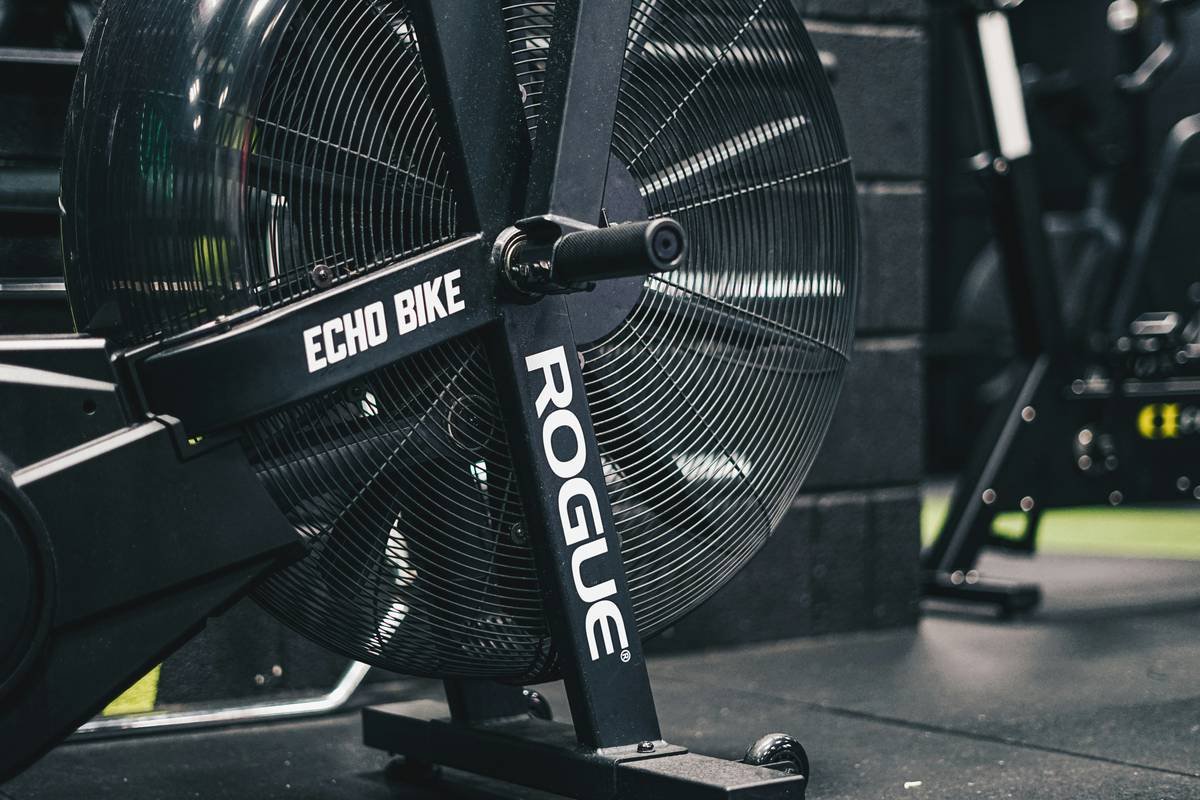
If you’ve been grinding away on a traditional upright or recumbent bike, you might be missing the metabolic secret weapon hiding in plain sight: the pedal power cycling air bike. This isn’t your grandma’s cardio machine—it’s a full-body calorie furnace that torches fat by making every muscle pull its weight (literally).
In this post, I’ll break down why air bikes—especially models like the AssaultBike or Rogue Echo—are uniquely powerful for sustainable weight loss, how to use them without burning out in Week 1, and why “just pedal faster” is terrible advice (yes, really). You’ll learn:
- Why air bikes burn up to 2x more calories than traditional cycles
- The 3 biggest mistakes beginners make (and how to avoid them)
- A real-world 4-week air bike protocol that helped one client lose 12 lbs
- How to structure workouts so you actually stick with it
Table of Contents
- Why Are Air Bikes So Different for Weight Loss?
- Step-by-Step: How to Start Cycling for Weight Loss on an Air Bike
- 5 Best Practices to Maximize Fat Burn (Without Burning Out)
- Real Results: How Sarah Lost 12 Pounds in 4 Weeks Using Only an Air Bike
- FAQs About Pedal Power Cycling Air Bike Weight Loss
Key Takeaways
- Air bikes use **fan-based resistance**—the harder you pedal *or push*, the more resistance you create, engaging arms, legs, and core simultaneously.
- Studies show air bikes can burn **20–30 calories per minute** during high-intensity intervals—double that of traditional cycling (ACE, 2019).
- Beginners should start with **low-volume, low-intensity sessions** (e.g., 8–12 minutes) to build tolerance and avoid injury.
- Consistency beats intensity: **3–4 short sessions per week** yield better fat loss than one heroic 60-minute slog.
Why Are Air Bikes So Different for Weight Loss?
Most people assume all stationary bikes are created equal. They’re not.
Your average spin bike uses magnetic or friction resistance—fine for building leg endurance, but limited in total energy expenditure. An air bike? It’s powered entirely by **your own effort**, via a large front fan. Pedal fast? Fan spins faster = more wind resistance = harder work. Push hard on the handles? Same thing. It’s a closed-loop system where output equals input—no cheating.
This transforms it into a **full-body metabolic disruptor**. Unlike cycling outdoors or on a standard bike, where your upper body mostly chills, the air bike forces your shoulders, chest, back, and core to contribute. That means more muscle groups firing = higher oxygen demand = greater EPOC (excess post-exercise oxygen consumption)—aka the “afterburn effect” that keeps you burning calories hours after your workout ends.
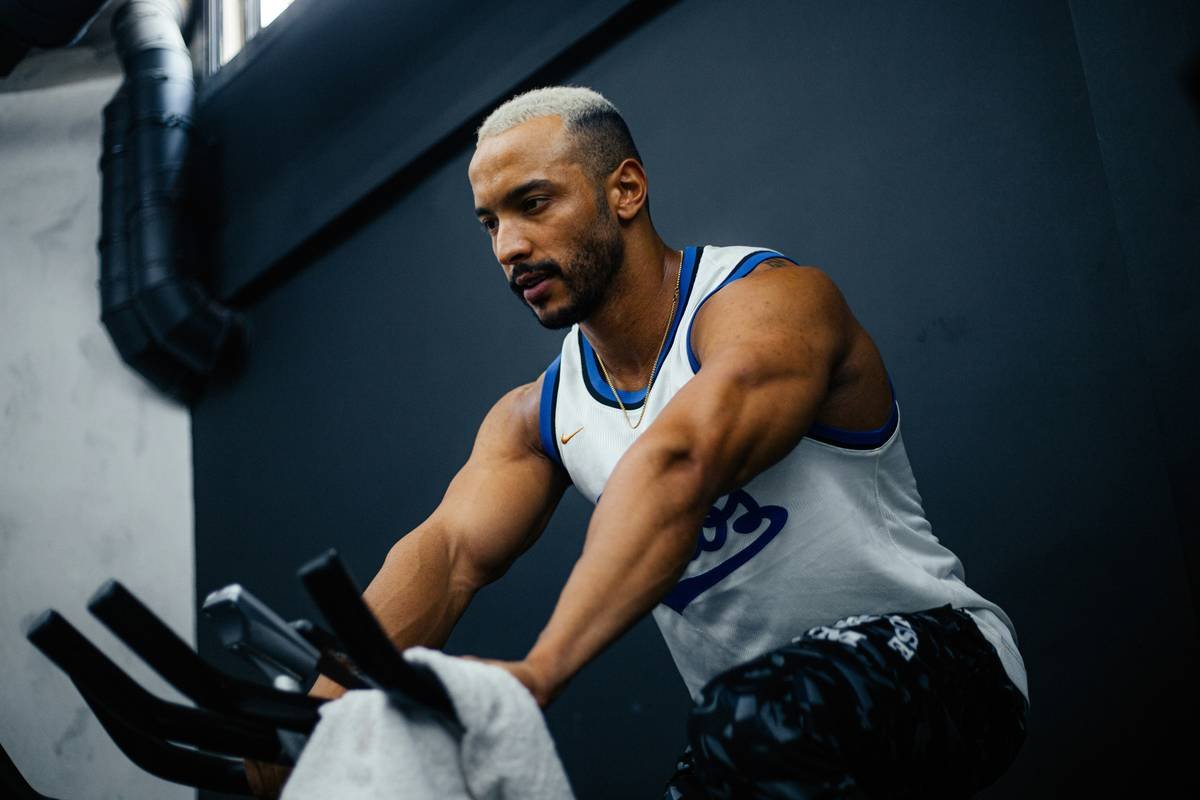
I learned this the hard way. My first air bike session? I thought 5 minutes would be cute. At 3:17, my arms shook like a leaf in a hurricane, my quads screamed, and I was gasping like I’d run a marathon. I walked away humbled—and obsessed.
That’s the magic (and the menace): air bikes expose inefficiencies in your fitness brutally fast. But used intelligently, they’re one of the most time-efficient tools for fat loss.
Step-by-Step: How to Start Cycling for Weight Loss on an Air Bike
How do I set up my first air bike session without quitting in agony?
Optimist You: “Start slow, stay consistent—you’ve got this!”
Grumpy You: “Ugh, fine—but only if I can wear noise-canceling headphones to drown out that infernal *whirrrr*.”
Here’s your no-BS starter plan:
Step 1: Dial In Your Form (Not Your Ego)
Sit tall. Keep elbows slightly bent, not locked. Drive through your heels—not your toes—and pull the handles toward your ribs (don’t just swing them). Bad form = shoulder strain + wasted effort.
Step 2: Begin With “Conversational Pace” Intervals
Try this beginner protocol:
– Warm-up: 2 min easy pedaling
– Work: 30 sec at “I can speak 3 words” intensity
– Rest: 60 sec easy
– Repeat x 6 rounds
– Cool-down: 2 min
Total time: 12 minutes. Yes, that’s enough.
Step 3: Track Output, Not Just Time
Air bikes display **watts** or **calories/minute**. Focus on maintaining consistent output—not speed. If your wattage drops by 20% in round 5, you went too hard in round 1.
5 Best Practices to Maximize Fat Burn (Without Burning Out)
- Prioritize recovery: Air bikes are brutal on your nervous system. Never do max-effort sessions back-to-back. Alternate with walking, yoga, or rest.
- Fuel smart: Eat a small protein-carb snack (e.g., banana + peanut butter) 45 min pre-workout. Dehydration slashes performance—sip water *during*.
- Mind the RPM trap: Spinning wildly at 120+ RPM creates wind noise, not results. Aim for 70–90 RPM with strong pushes.
- Pair with strength training: A 2022 meta-analysis in Obesity Reviews found combining cardio + resistance training preserves muscle mass during weight loss—critical for long-term metabolism.
- Listen to your joints: Knee or wrist pain? Stop. Adjust seat height or reduce handle range. Pain ≠ gain on air bikes.
⚠️ Terrible Tip Alert ⚠️
“Just go as hard as you can for 20 minutes!” — This is how people end up quitting forever. Air bikes aren’t about heroics; they’re about **dosed stress**. Think espresso shot, not energy drink chug.
Real Results: How Sarah Lost 12 Pounds in 4 Weeks Using Only an Air Bike
Sarah, 42, had tried everything: keto, intermittent fasting, Peloton marathons. Nothing stuck. She joined my coaching program skeptical—but committed to testing the air bike method.
We implemented this simple weekly plan:
- Mon/Wed/Fri: 10-min air bike session (EMOM format: 20 sec work / 40 sec rest)
- Tues/Thurs: 30-min walk
- Sat/Sun: Rest or light stretching
No diet overhaul—just tracked protein (~1.6g/kg body weight) and eliminated sugary drinks.
After 4 weeks:
- Lost 12 lbs
- Dropped 3 inches off her waist
- Air bike output increased by 40%
Her secret? “I stopped trying to ‘earn’ my meals with punishment workouts. The air bike felt efficient—like I wasn’t wasting time.”
FAQs About Pedal Power Cycling Air Bike Weight Loss
Can you lose belly fat with an air bike?
Spot reduction is a myth—but air bikes elevate overall fat loss due to high calorie burn and EPOC. Combine with a slight calorie deficit, and yes, belly fat will shrink.
How often should I use an air bike for weight loss?
3–4 times per week is ideal. More than that increases injury risk and may stall recovery. Quality > frequency.
Is an air bike better than running for weight loss?
For joint safety and full-body engagement, yes—especially if you’re overweight or have knee issues. Running burns similar calories but is higher impact.
Do I need a fancy air bike like the AssaultBike?
No. Budget options like the Sunny Health & Fitness SF-B1002 work well for beginners. But commercial-grade bikes (Rogue, Assault) offer smoother action and durability.
Conclusion
Pedal power cycling air bike weight loss isn’t about suffering longer—it’s about working smarter. By leveraging fan-based resistance that scales with your effort, air bikes deliver unmatched efficiency for burning fat while preserving muscle.
Start small. Respect recovery. Track output, not ego. And remember: 10 focused minutes on an air bike beats an hour of distracted spinning any day.
Now go—your future self (in lighter jeans) is waiting.
Wind screams, sweat drips fast—
Pedals turn, fat melts like snow.
Air bike: silent math.