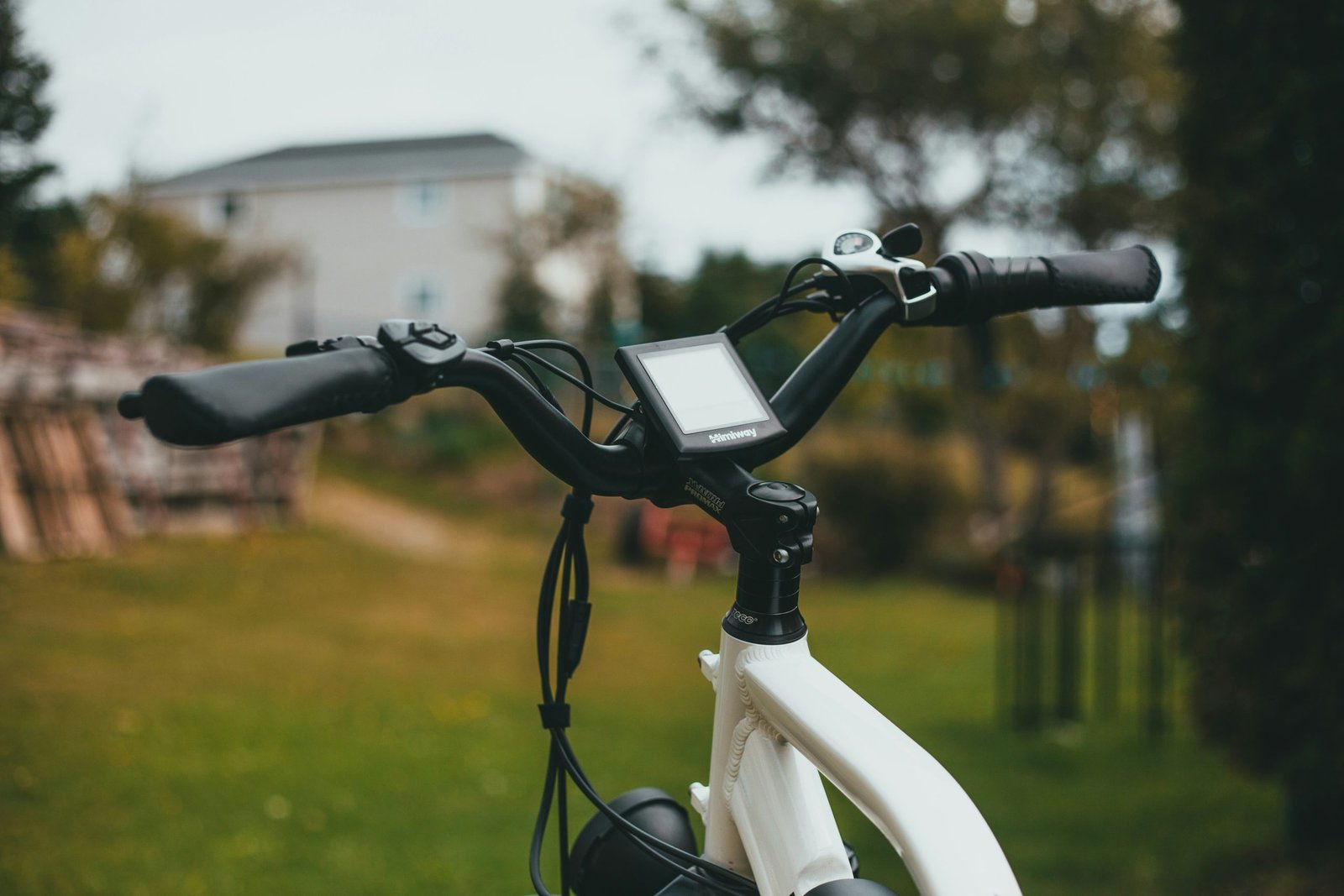
Ever tried countless diets and workouts only to feel frustrated when the scale barely budges? What if we told you there’s a fun, low-impact way to torch calories and shed pounds? Enter cycling for weight loss, the ultimate two-wheeled workout that’s as enjoyable as it is effective.
In this post, we’ll break down why cycling is a game-changer for your fitness goals, share actionable tips to maximize results, and sprinkle in some real-world inspiration along the way. Ready to ride? Let’s dive in!
Table of Contents
Key Takeaways
- Cycling is a low-impact, calorie-burning exercise ideal for weight loss.
- Consistency and proper planning are essential for seeing results.
- Combining cycling with strength training and healthy eating accelerates progress.
Why Cycling for Weight Loss Works
Let’s talk numbers: Did you know that an hour of moderate-intensity cycling can burn up to 600 calories? Combine that with its joint-friendly nature, and you have a recipe for sustainable fat loss. Unlike high-impact activities like running, cycling minimizes stress on your knees while keeping your heart rate elevated—perfect for long-term consistency.

The Science Behind It
Cycling engages large muscle groups in your legs, which boosts metabolism and helps build lean muscle mass. Plus, it releases endorphins, leaving you feeling happier and more motivated to stick with your routine.
Confessional Fail: I once spent weeks cycling without paying attention to my diet. Spoiler alert: You can’t out-pedal poor nutrition.
Getting Started: Your First Ride
You don’t need fancy gear or an expensive bike to start reaping the benefits of cycling for weight loss. Here’s how to begin:
Step 1: Choose Your Ride
If you’re just starting, a basic hybrid bike will do the trick. No bike? No problem! Rent one from a local shop or try indoor cycling classes until you’re ready to invest.
Step 2: Set a Realistic Goal
Aim for three 30-minute rides per week. As “Optimist You” might say, “Stick with it!” But “Grumpy You” knows life gets messy, so adjust as needed.
Step 3: Gear Up
Invest in a helmet, padded shorts, and water bottles to stay safe and comfortable. Trust me, your butt will thank you.
Pro Tips for Maximum Results
Here’s where things get spicy. Below are tested-and-true strategies for making every ride count:
- Vary Your Intensity: Mix steady-state rides with interval training (e.g., sprinting for 30 seconds, then coasting).
- Fuel Smart: Refuel with protein-rich snacks post-ride instead of carb-heavy junk food.
- Track Progress: Use apps like Strava or Fitbit to monitor distance, speed, and calories burned.
Terrible Tip Alert:
Don’t skip meals before riding thinking you’ll lose weight faster. Newsflash: Starving yourself leads to fatigue and slower metabolism. Not cool.
Real Stories: Success on Two Wheels
Meet Sarah, a 34-year-old teacher who lost 45 pounds through cycling. She started with casual weekend rides and gradually increased her mileage. Within a year, she completed her first century ride (that’s 100 miles!). Her secret? Consistency and celebrating small wins along the way.
Frequently Asked Questions
Q: How often should I cycle to lose weight?
Aim for at least three sessions per week, ideally combining longer rides with shorter but intense ones.
Q: Can I cycle indoors?
Absolutely! Stationary bikes or spin classes are great alternatives, especially during bad weather.
Q: Is cycling alone enough for weight loss?
While effective, pairing cycling with a balanced diet and occasional strength training yields faster results.
Conclusion
Cycling for weight loss isn’t just about shedding pounds—it’s about embracing a healthier, more active lifestyle. Whether you’re cruising scenic trails or sweating it out on a stationary bike, every pedal stroke brings you closer to your goals.
So grab your helmet, lace up those shoes, and hit the road. After all, every cyclist was once a beginner. Oh, and one last thing…
Pedals turning, wind in face
Miles vanish, find new pace
Weight gone—like magic chase