
“Ever felt like your heart was sprinting through a marathon while you were just climbing a flight of stairs?” Yeah, us too. Here’s how cycling can save your ticker—and help with weight loss!
In this blog post, we’re diving deep into cycling for cardiovascular health, its surprising benefits, and how it fits perfectly into your weight-loss journey. You’ll learn the science behind it, actionable steps to get started, expert tips, real-life success stories, and answers to FAQs.
Table of Contents
- The Problem: Why Your Heart Needs Help
- Getting Started with Cycling for Cardiovascular Health
- Best Practices for Maximizing Results
- Real-Life Success Stories
- FAQs About Cycling for Cardiovascular Health
Key Takeaways
- Cycling boosts cardiovascular health by strengthening the heart muscle and improving circulation.
- Regular cycling supports sustainable weight loss when paired with proper nutrition and consistency.
- You don’t need expensive gear—just a bike, determination, and some grit will do the trick.
- Beginners should start slow and build endurance over time to avoid burnout or injury.
- Success stories prove that cycling works wonders for both physical and mental well-being.
The Problem: Why Your Heart Needs Help
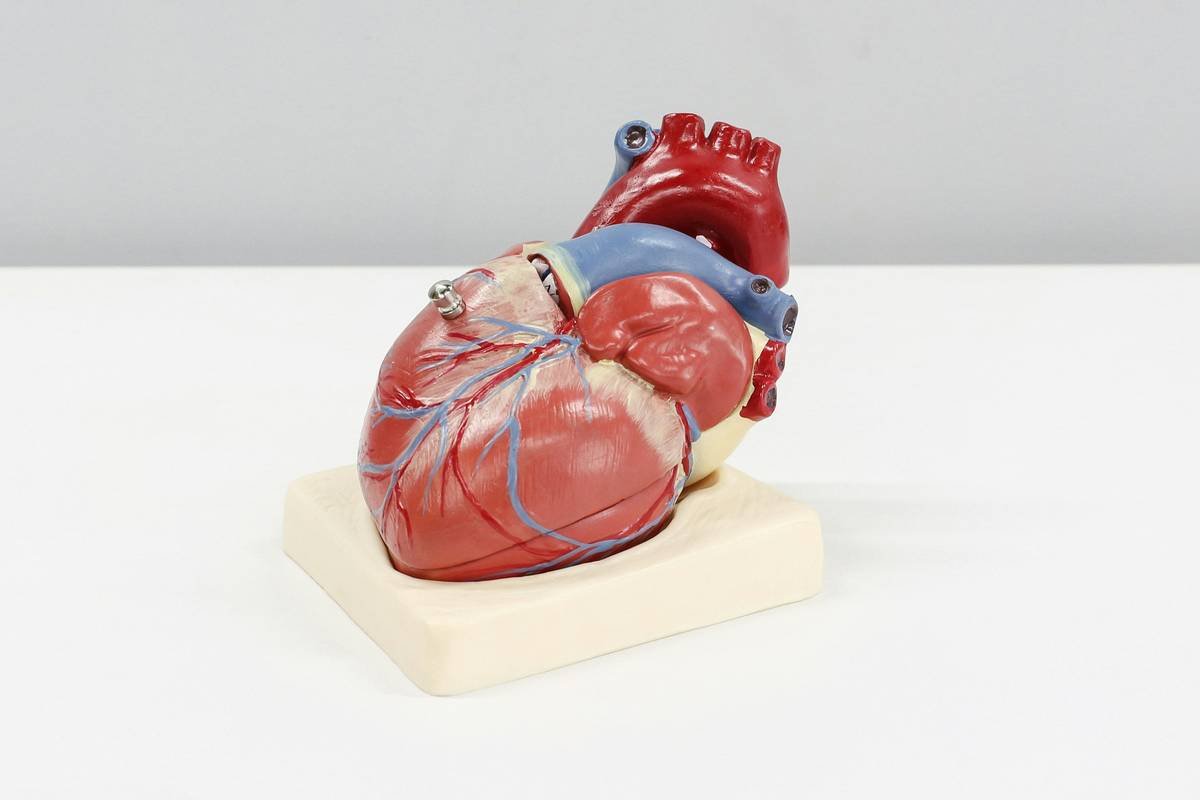
Your heart is a powerhouse, literally pumping life into every cell in your body. But here’s the kicker: according to the American Heart Association, nearly half of all adults in the U.S. have some form of cardiovascular disease. That’s not exactly heartwarming news, huh?
I once ignored my own fitness routine because, let’s face it, Netflix binges are easier than lacing up sneakers. My blood pressure spiked faster than spoilers during a Marvel movie premiere. Lesson learned? A sedentary lifestyle isn’t doing anyone any favors.
Cycling isn’t just about burning calories; it strengthens your heart, lowers cholesterol levels, and improves lung capacity. Imagine pedaling away stress while giving your heart a tune-up. Sounds good, right?
“Optimist You:” *’This could be fun!’*
“Grumpy You:” *’Fun?! I barely have time to shower.’*
Getting Started with Cycling for Cardiovascular Health

Step 1: Choose the Right Bike
Don’t splurge on a $5,000 carbon-fiber beast if you’re still mastering balance. For starters, grab a decent hybrid or road bike from a local store. Pro tip: Test ride before buying—it’s like dating; chemistry matters.
Step 2: Set Realistic Goals
If you haven’t ridden since childhood, aiming for a century ride (100 miles) next week might leave you crying on the side of the road. Start small: 10–15 minute rides three times a week. Build from there.
Step 3: Gear Up Safely
A helmet isn’t optional—it’s essential. Add reflective gear for night rides and padded shorts if long distances make your sit bones scream. Safety first, speed second.
Best Practices for Maximizing Results

- Mix It Up: Alternate between steady-state rides and interval training. High-intensity intervals boost metabolism and torch fat.
- Fuel Smart: Eat lean proteins and complex carbs pre/post-ride. Avoid sugar crashes—they feel like your laptop overheating mid-render.
- Track Progress: Use apps like Strava to monitor distance, pace, and calories burned. Seeing improvements keeps motivation alive.
- Rest Days Are Non-Negotiable: Overtraining is lame (and counterproductive). Let your muscles recover, or risk turning into Eeyore after a stormy day.
Terrible Tip Alert: Don’t skip warm-ups unless you enjoy feeling stiff as an old yoga mat afterward. Stretch those hammies, folks!
Real-Life Success Stories
Meet Sarah, a 38-year-old teacher who swapped her sedan for a commuter bike two years ago. She lost 40 pounds, reduced her LDL cholesterol by 30%, and now competes in weekend races. Her secret? Consistency + coffee.
Then there’s Mike, a dad of three who thought cycling was “not his thing.” After committing to daily 30-minute rides, he dropped two pants sizes and found his energy skyrocketed. “I even play tag with my kids again,” he says. Chef’s kiss.
FAQs About Cycling for Cardiovascular Health
Is cycling better for cardiovascular health than running?
Both are excellent, but cycling is lower impact, making it easier on joints. Plus, hills are optional—you won’t find that on a treadmill.
Can I lose weight cycling only twice a week?
You can, especially if combined with dietary changes. However, consistency yields better results. Aim for more frequent rides if possible.
How does cycling improve cardiovascular health?
It increases heart rate, strengthens cardiac muscles, and enhances oxygen delivery throughout the body. Think of it as cardio bootcamp without shouting instructors.
Conclusion
Cycling for cardiovascular health isn’t just another fad; it’s a proven way to strengthen your heart, shed pounds, and reclaim vitality. Whether you’re commuting, cycling indoors, or exploring scenic trails, each pedal stroke counts toward a healthier future.
So lace up those shoes, grab your helmet, and hit the road—or stationary bike if you’re team couch-turned-gym. Your heart—and waistline—will thank you.
P.S. Like Pikachu evolving into Raichu, your fitness journey starts with one electric push forward. What’s stopping you?
Random Haiku:
Wheels spin, wind whispers,
Heart pumps, lungs expand wider—
Freedom tastes like freedom.