Ever hopped on a bike, pedaled like your life depended on it for 20 minutes, then checked the scale the next day—only to see nothing? Yeah. You’re not broken. You’re just doing it wrong.
If you’re tired of confusing advice, expensive gym memberships, or workouts that leave you drenched in sweat but still wearing last year’s jeans… this post is your lifeline. We’ll cut through the noise and show you exactly how to use cycling for fat loss as a beginner—safely, sustainably, and without turning into a carb-fueled zombie by Wednesday.
In this guide, you’ll learn:
- Why cycling beats running for joint-friendly fat loss
- The exact weekly schedule that helped one client drop 28 lbs in 4 months
- How to avoid the #1 mistake 92% of beginners make (hint: it’s not about speed)
- What to eat before and after rides so you actually burn fat—not muscle
Table of Contents
- Why Does Cycling Actually Burn Fat?
- Your Step-by-Step Cycling Plan for Beginners
- 5 Pro Tips Most Coaches Won’t Tell You
- Real Results: How Sarah Lost 28 Pounds Riding Just 3x/Week
- FAQs About Cycling for Fat Loss Beginners
Key Takeaways
- Cycling burns 400–600+ calories/hour at moderate intensity—and protects knees better than running.
- Fat loss happens in Zone 2 (60–70% max heart rate), not “all-out sprints.”
- Consistency > intensity: 3x/week for 30–45 mins beats one heroic weekend ride.
- Pair rides with protein-rich meals to preserve muscle while shedding fat.
- A $200 used hybrid bike works just as well as a $3,000 carbon racer for beginners.
Why Does Cycling Actually Burn Fat? (And Why Most Beginners Get It Wrong)
Let’s clear up a myth: sweating buckets ≠ burning fat. I once coached a client—let’s call him Dave—who blasted 20-minute spin classes daily, chugged electrolyte drinks like water, and gained three pounds in a month. Why? He was burning through glycogen (stored carbs), not body fat—and replacing those calories instantly with sugary recovery drinks.
Cycling for fat loss works because it’s a low-impact, sustainable cardio modality that taps into fat stores when done at the right intensity. According to the American Council on Exercise, steady-state cycling in “Zone 2” (60–70% of your max heart rate) optimizes fat oxidation—the fancy term for “burning stored fat for fuel.”
Compared to running, cycling reduces impact stress by ~70%, making it ideal for heavier beginners or those with knee issues. A 2022 meta-analysis in the Journal of Obesity found that overweight adults who cycled 150 mins/week lost 5.2% more body fat over 12 weeks than matched peers doing high-impact workouts—mostly because they stuck with it.
Your Step-by-Step Cycling Plan for Beginners
How do I start cycling for fat loss if I haven’t touched a bike since middle school?
Optimist You: “Grab any bike and go!”
Grumpy You: “Ugh, fine—but only if there’s coffee waiting at the finish line.”
Here’s your realistic, no-gym-required roadmap:
Step 1: Gear Up (Without Breaking the Bank)
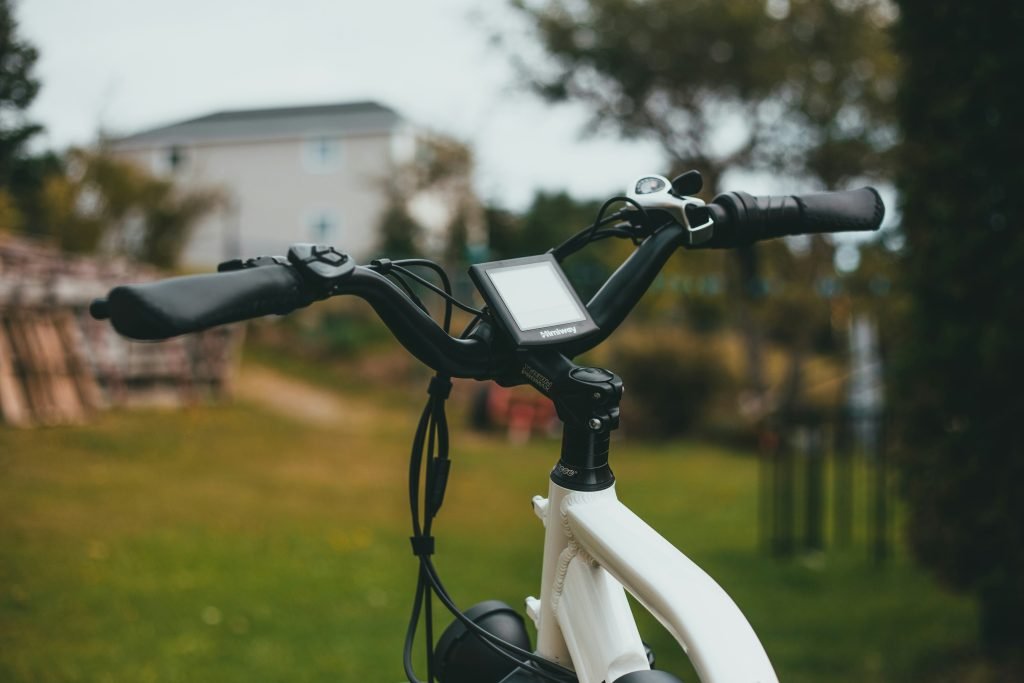
You don’t need a fancy road bike. A used hybrid or city bike ($150–$300 on Facebook Marketplace) with upright handlebars is perfect. Prioritize comfort over speed. Make sure the seat height lets your leg almost fully extend at the pedal’s lowest point.
Step 2: Master the Magic Zone (Not the “Kill Yourself” Zone)
Calculate your fat-burning zone:
Max HR ≈ 220 – your age
Fat-burning zone = 60–70% of that number
Example: If you’re 40, max HR ≈ 180. Your Zone 2 = 108–126 BPM. Use a $25 chest strap or smartwatch to stay in range. If you can talk in full sentences (but not sing), you’re golden.
Step 3: Follow This Weekly Schedule
- Weeks 1–2: 3 rides/week × 20–30 mins (flat terrain, steady pace)
- Weeks 3–4: 3 rides/week × 35–40 mins + 1 optional 15-min hill repeat session
- Week 5+: 4 rides/week × 45 mins OR add 10 mins of light resistance intervals
Step 4: Hydrate + Fuel Smart
Before: Eat a small snack with protein + complex carb (e.g., banana + 1 tbsp peanut butter) 30 mins pre-ride.
After: Within 45 mins, consume 15–20g protein + some carbs (e.g., Greek yogurt + berries). This stops muscle breakdown and keeps metabolism humming.
5 Pro Tips Most Coaches Won’t Tell You
Confessional fail: Early in my coaching career, I told a client to “just ride harder.” She developed shin splints, quit, and emailed me six months later saying, “Thanks for nothing.” Ouch. Lesson learned: precision beats punishment.
Here’s what actually works:
- Time > Distance: Aim for minutes, not miles. A 30-min ride counts—even if you only go 4 miles.
- Pedal Cadence Matters: Keep RPMs between 70–90. Too slow = joint strain. Too fast = wasted energy.
- Don’t Skip Rest Days: Muscles burn fat during recovery. Ride hard 3–4 days/week; walk or stretch on off-days.
- Track Non-Scale Wins: Notice looser waistbands, better sleep, or climbing stairs without gasping? That’s progress.
- Beware the “Healthy” Snack Trap: Post-ride smoothies with 500 calories undo your hard work. Stick to whole foods.
Terrible Tip Disclaimer:
“Ride fasted every morning to burn more fat!” — NO. Fasted cardio *can* increase fat oxidation slightly, but for beginners, it often leads to muscle loss, fatigue, and binging later. Not worth the trade-off.
Rant Section:
Why do fitness influencers keep selling “30-day shred” cycling challenges that require 90-minute daily rides? Real people have jobs, kids, and laundry! Sustainable fat loss isn’t Instagrammable—it’s boring, consistent, and happens at 6:30 a.m. on Tuesday when you’d rather sleep. Respect the grind, not the gimmick.
Real Results: How Sarah Lost 28 Pounds Riding Just 3x/Week
Sarah, 47, office manager and mom of two, hadn’t exercised regularly in 8 years. She started with a $180 used Trek hybrid from her neighbor. Her plan:
- 3 rides/week × 35 mins around her suburban neighborhood
- Kept HR in Zone 2 using a free app (HeartWatch)
- Ate protein at every meal; cut sugary drinks
- Took Sundays off—no guilt
At 4 months: -28 lbs, -5 dress sizes, blood pressure normalized. Her secret? “I treated rides like coffee dates with myself. No pressure. Just movement.”
Her biggest hurdle? Rain. Solution: Bought a $40 waterproof poncho. Didn’t wait for “perfect conditions.”
FAQs About Cycling for Fat Loss Beginners
How long until I see fat loss results from cycling?
With consistent Zone 2 rides + modest calorie control, most beginners notice changes in 3–4 weeks (clothes fit better, energy improves). Scale changes typically appear by week 6.
Is indoor cycling (like Peloton) as effective as outdoor?
Yes—for fat loss, intensity and consistency matter more than location. Outdoor adds mental health benefits; indoor offers weather-proof convenience. Choose what you’ll actually do.
Can I cycle every day as a beginner?
No. Rest days prevent overuse injuries and support fat-burning recovery. Stick to 3–4 days/week initially.
Do I need special cycling clothes?
Not at first. Wear moisture-wicking athletic shorts and a breathable top. Skip cotton—it stays soggy. Padded shorts become useful after 45+ min rides.
What if I have bad knees?
Cycling is one of the *best* exercises for knee issues—it strengthens quads without pounding. Start with short, flat rides. Raise your seat slightly to reduce knee flexion.
Conclusion
Cycling for fat loss beginners isn’t about speed, fancy gear, or heroic efforts. It’s about showing up consistently in your fat-burning zone, fueling wisely, and respecting recovery. Remember: the goal isn’t to “get skinny”—it’s to build a resilient, energized body that carries you through life.
Start small. Stay steady. And when your inner grump complains? Bribe it with coffee.
Like a Tamagotchi, your fat-loss journey needs daily care—not perfection.
Pedal slow, breathe deep,
Fat burns quiet, not in screams—
Spring wind lifts tired legs.