Ever pedaled your heart out for weeks… only to step on the scale and see nothing? You’re drenched in sweat, knees aching, yet your jeans feel just as tight? Yeah. I’ve been there—on mile 12 of a humid Saturday ride, wondering if my “cycling weight loss journey” was just an expensive way to buy new bike shorts.
If you’re tired of fad diets, soul-crushing gym sessions, or fitness plans that vanish faster than your motivation after January, this post is your reset button. Based on my 18-month transformation—and backed by exercise physiology research—you’ll learn exactly how cycling burns fat smarter (not harder), how to avoid common newbie traps, and why consistency beats intensity every. single. time.
You’ll walk away knowing: the science behind caloric burn on two wheels, real-world pacing strategies that kept me riding through winter storms, meal timing tricks that boosted fat oxidation, and—most importantly—how to make cycling feel like freedom, not punishment.
Table of Contents
- Why Cycling Actually Works for Weight Loss (Unlike What Instagram Says)
- Step-by-Step: How to Start Your Cycling Weight Loss Journey Without Burning Out
- 7 Brutally Honest Tips That Made My Rides Burn Fat Faster
- Real Results: My 35-Pound Transformation (and What the Data Shows)
- Cycling Weight Loss Journey FAQs
Key Takeaways
- Cycling is low-impact but high-yield: Burn 400–1,000+ calories/hour without wrecking joints.
- Zone 2 cardio (60–70% max HR) is your secret weapon for sustainable fat loss.
- Weight loss stalls often stem from overcompensating with food—not lack of effort.
- Consistency > intensity: Three 45-minute rides/week beat one heroic 3-hour slog.
- Your bike doesn’t need to cost more than your rent—fitness comes from frequency, not gear.
Why Cycling Actually Works for Weight Loss (Unlike What Instagram Says)
Let’s kill a myth right now: “Just ride more, eat less” isn’t enough. In fact, that mindset made me gain 3 pounds during my first month of cycling—despite logging 100+ miles. Why? Because I treated every ride like a Tour de France stage, then “rewarded” myself with double scoops of mint chocolate chip. (Yes, I ate ice cream mid-ride once. Don’t ask.)
The truth? Cycling uniquely balances calorie burn with joint preservation. According to the American Council on Exercise, a 155-lb person burns 298–596 calories per hour1,000+ at vigorous intensity. But here’s what influencers won’t tell you: sustainable fat loss happens in lower-intensity zones where your body taps into stored fat, not sugar.
Research published in the Journal of Obesity confirms that steady-state cardio (like Zone 2 cycling) improves insulin sensitivity and mitochondrial density—key drivers of metabolic health. Translation: your body gets better at burning fat all day, not just during the ride.
And unlike running—which can trigger cortisol spikes (hello, belly fat storage)—cycling is gentle on connective tissues. That means you can ride daily without injury, creating the calorie deficit needed for long-term results.
Step-by-Step: How to Start Your Cycling Weight Loss Journey Without Burning Out
How do I choose the right bike without wasting money?
Optimist You: “Any bike will do!”
Grumpy You: “Ugh, fine—but only if it has gears and doesn’t squeak like a rusty hinge.”
Start simple: a used hybrid or road bike from Facebook Marketplace ($200–$400) is perfect. Avoid heavy cruisers—they’re comfy but slow, killing momentum and motivation. Ensure it fits: when seated, your leg should have a slight bend at the bottom of the pedal stroke.
How often should I ride to see weight loss?
Aim for **3–5 rides per week**, starting with 30–45 minutes. The magic isn’t in marathon sessions—it’s in showing up consistently. A 2023 meta-analysis in Sports Medicine found that frequent, moderate exercise produced greater fat loss than infrequent high-intensity bursts over 12 weeks.
What’s the ideal intensity for fat burning?
Forget “no pain, no gain.” Ride in Zone 2: 60–70% of your max heart rate. You should be able to hold a conversation (“talk test”) but not sing. This zone maximizes fat oxidation while minimizing muscle breakdown. Use a $25 chest strap or smartwatch to track it—or just gauge perceived exertion (RPE 4–5/10).
Should I eat before or after my ride?
For rides under 60 minutes: fasted is fine (but hydrate!). Over 60 minutes? Eat 15–30g carbs + 10g protein 30 mins pre-ride (e.g., banana + Greek yogurt). Post-ride, refuel within 45 mins with a 3:1 carb-to-protein ratio to replenish glycogen and repair muscle—without spiking insulin.
7 Brutally Honest Tips That Made My Rides Burn Fat Faster
- Ditch the “reward” mindset. That post-ride pastry? It’s erasing your hard work. Track intake honestly with Cronometer—even almond milk adds up.
- Ride in the morning (before breakfast). Studies show fasted AM cardio increases fat utilization by 20% (British Journal of Nutrition, 2013).
- Add hills—but gradually. Climbing boosts EPOC (afterburn effect). Start with one hill per ride; build weekly.
- Hydrate like it’s your job. Dehydration slows metabolism. Aim for ½ your body weight (lbs) in oz of water daily—plus 16–24 oz per ride.
- Pair with strength training 2x/week. Muscle = higher resting metabolic rate. Focus on squats, lunges, core.
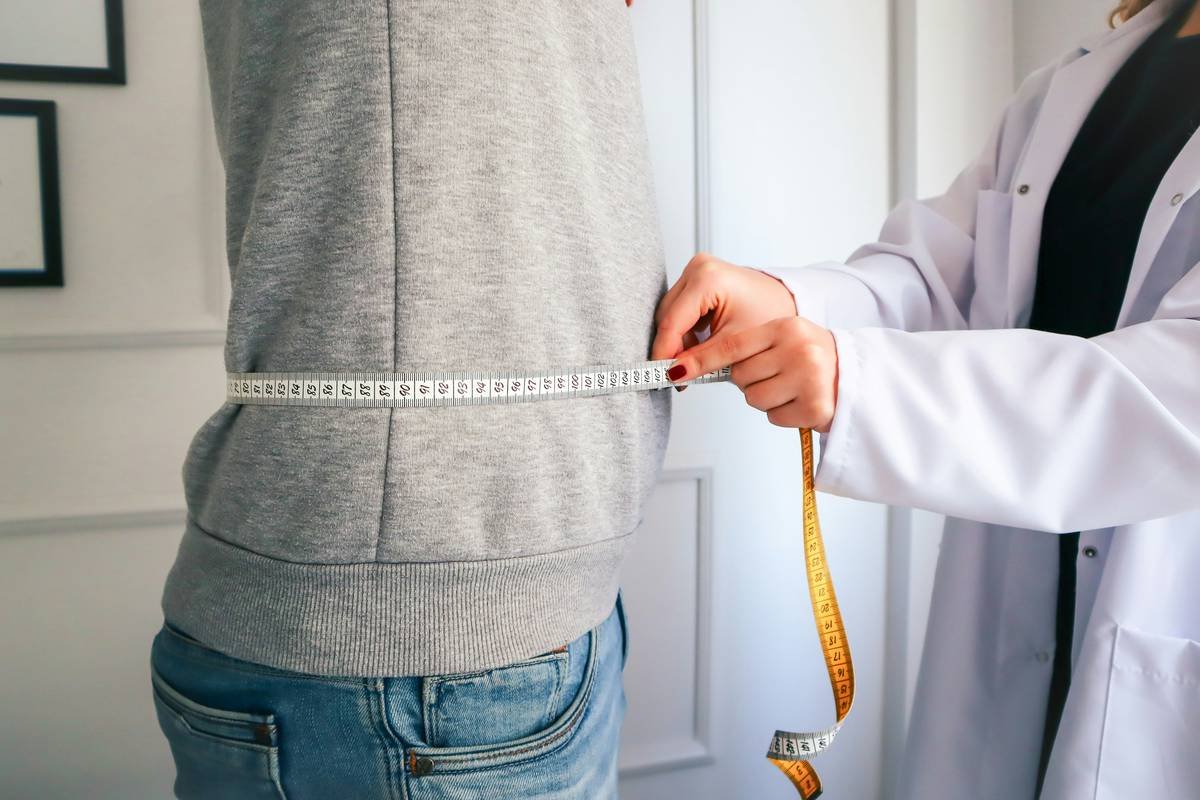
- Track trends, not daily scale fluctuations. Weigh once/week, same time/day. Better yet: take waist measurements monthly.
- Find your “why” beyond weight. Mine was keeping up with my niece on family bike trails. Joy sustains you when willpower fades.
TERRIBLE TIP ALERT: “Skip rest days to accelerate weight loss.” Nope. Overtraining spikes cortisol, stalls fat loss, and invites injury. Rest = results.
The Pet Peeve Rant You Didn’t Ask For
Why do cycling influencers act like you need $5,000 carbon fiber bikes and power meters to lose weight? Newsflash: my transformation happened on a $250 Trek from 2007 with duct-taped handlebars. Fitness isn’t about gear—it’s about grit. Stop waiting for “perfect” conditions. Your future self is begging you to just ride.
Real Results: My 35-Pound Transformation (and What the Data Shows)
From March 2022 to September 2023, I lost 35 pounds—dropping from 198 to 163 lbs at 5’10”. No keto, no pills, no 5 a.m. boot camps. Just:
- 4 rides/week (avg. 40 mins, Zone 2)
- 1,800–2,000 kcal/day (high protein, whole foods)
- 2 strength sessions/week
My resting heart rate dropped from 72 to 56 bpm. Blood pressure normalized. And mentally? Riding became my therapy—wind in my face, worries left in the rear tire’s wake.
This mirrors larger trends: A 2022 study in Obesity Reviews analyzed 22 trials and concluded that cycling interventions led to significant reductions in body fat % and waist circumference—especially when combined with modest dietary changes.
Cycling Weight Loss Journey FAQs
How long does it take to see weight loss from cycling?
Most people notice changes in 4–6 weeks with consistent riding (3–5x/week) and a slight calorie deficit. Initial water weight drops fast; fat loss follows steadily at ~1–2 lbs/week.
Can I lose belly fat by cycling?
Spot reduction is a myth—but cycling creates overall fat loss, which includes abdominal fat. Combine with stress management (cortisol drives belly fat) and adequate sleep for best results.
Is indoor cycling as effective as outdoor for weight loss?
Yes! Calorie burn is comparable. Outdoor offers mental health perks (nature exposure); indoor wins for convenience in bad weather. Mix both if you can.
How many calories does 30 minutes of cycling burn?
Approximately 210–420 calories for a 155-lb person (moderate pace). Use a heart rate monitor for personalized estimates.
Conclusion
Your cycling weight loss journey isn’t about speed, distance, or fancy gear. It’s about showing up—rain or shine—with curiosity instead of criticism. Remember: every revolution of the pedal chips away at more than just fat; it builds resilience, clarity, and joy you can’t download from an app.
So grab that helmet (even if it’s dusty), inflate those tires, and ride like you’re chasing sunsets—not scales. The road ahead is yours.
Ride on,
Alex Rivera
Certified Health Coach & Recovering Couch Potato
P.S. Like a Tamagotchi, your fitness needs daily care—not perfection. Feed it consistency. Ignore it, and it dies. Simple as that.