Ever felt like you’re pedaling your heart out during a ride, but the scale won’t budge? Yeah, we’ve all been there.
In this post, we’ll dive into how mastering ride intensity cycling can turbocharge your weight loss journey. By the end of this guide, you’ll know how to structure workouts, what not to do (hint: “riding aimlessly” is a thing), and some brutally honest tips to keep you on track.
Table of Contents
- Why Ride Intensity Matters in Cycling for Weight Loss
- Step-by-Step Guide to Adjusting Your Ride Intensity
- 5 Proven Tips for Effective Ride Intensity Workouts
- Real Results: How Others Shed Pounds through Ride Intensity Cycling
- Frequently Asked Questions About Ride Intensity Cycling
Key Takeaways
- Understanding ride intensity cycling helps optimize calorie burn and fat loss.
- A proper balance between high-intensity intervals and recovery is crucial for results.
- Common mistakes, such as poor pacing or skipping warm-ups, can derail progress.
- Mixing in cross-training and nutrition strategies amplifies benefits from ride intensity cycling.
- Consistency trumps perfection—start small, stay committed!
Why Ride Intensity Matters in Cycling for Weight Loss
If you’re serious about shedding pounds with cycling, listen up. Ride intensity isn’t just about breaking a sweat—it’s science-backed magic for melting fat while boosting cardiovascular health.
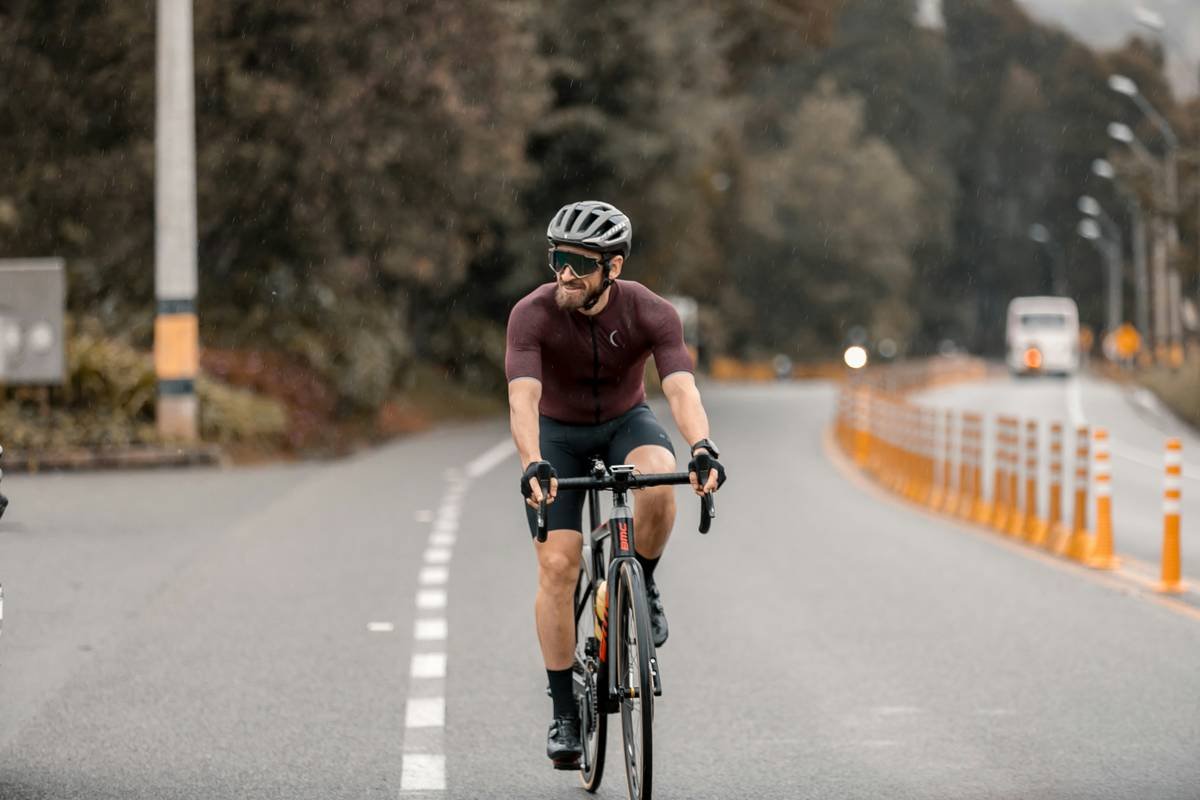
I once made the rookie mistake of cruising at a leisurely pace every single day. Sure, I enjoyed scenic views, but my scale stayed stubbornly stuck. The issue? Low-intensity rides primarily burn carbs rather than stored fat. It wasn’t until I mixed things up with higher-intensity bursts that I saw real progress.
“Optimist You: ‘All cycling burns calories, right?’
Grumpy You: ‘Ugh, not if you treat it like a lazy Sunday drive.’”
Step-by-Step Guide to Adjusting Your Ride Intensity
1. Know Your Zones
Cyclists often refer to five zones of effort: Active Recovery, Endurance, Tempo, Threshold, and Max Effort. A wrist-based fitness tracker or chest strap monitor can help identify which zone you’re in by tracking your heart rate.
2. Start with Interval Training
An effective way to incorporate ride intensity cycling is interval training. Alternate between two minutes at 80% effort and four minutes at a moderate tempo. Repeat several rounds within your session.
3. Include Hill Climbs
Hills are Mother Nature’s gym equipment. They naturally push you into higher-intensity ranges, especially when climbing at a steady clip without coasting back down immediately.
4. Don’t Skip Rest Days
Overtraining leads to fatigue and injury—not exactly great for sticking to your goals. Incorporate rest days or low-intensity recovery rides after tough sessions.
5. Track Progress Regularly
Apps like Strava or Garmin Connect let you review metrics like average speed, distance, elevation gain, and time spent in each zone. Celebrate improvements, no matter how incremental.
5 Proven Tips for Effective Ride Intensity Workouts
- Prioritize Warm-Ups: Spend 5-10 minutes gradually increasing your pace before jumping into intense intervals.
- Fuel Smart: Eat light carbs pre-ride (like oatmeal) and refuel afterward with protein-rich foods like eggs or Greek yogurt.
- Adjust Gears Wisely: Switch gears to maintain consistent resistance levels regardless of terrain changes.
- Vary Terrain: Mix flat roads with hills to challenge muscles differently and prevent plateauing.
- Avoid Overhydration: Yes, hydration matters—but guzzling excessive water mid-ride dilutes electrolytes and slows performance.
Real Results: How Others Shed Pounds Through Ride Intensity Cycling
Meet Sarah, a busy mom who transformed her body through focused ride intensity cycling routines over six months. She credits mixing sprint intervals with longer endurance blocks for dropping 20 pounds. Her secret weapon? Consistent weekly check-ins using an app to tweak her zones and ensure she kept pushing herself.
Sounds cheesy, but it’s chef’s kiss for staying motivated.
Frequently Asked Questions About Ride Intensity Cycling
What equipment do I need to start?
Beyond a decent bike, invest in a heart rate monitor or power meter to gauge intensity accurately. Safety gear like helmets and lights are non-negotiable too.
How long should a ride last?
Anywhere from 30 minutes to three hours, depending on your current fitness level. Beginners should focus on shorter, more frequent sessions.
Can beginners try high intensity?
Absolutely! Just ease into it—start with one or two higher-effort intervals per workout instead of going full throttle.
Does weather affect ride intensity?
Yes, extreme heat or headwinds can impact your ability to sustain certain zones. Adapt accordingly; indoor trainers are lifesavers here.
Conclusion
Cycling for weight loss doesn’t have to be boring or frustrating. When done strategically, incorporating ride intensity cycling elevates both fun and effectiveness. Remember: it’s all about finding YOUR sweet spot—not comparing your stats to others’ Peloton leaderboards.