Ever pedaled your heart out on a spin bike for 45 minutes, drenched in sweat, only to step on the scale the next day and see… nothing? Yeah. You’re not lazy—you’re just spinning without strategy. Here’s the truth: cycling for weight loss isn’t about how loud your breathing sounds—it’s about how smart your spin resistance routine is.
In this post, you’ll learn exactly how to structure a spin resistance routine that maximizes fat burn, preserves muscle, and keeps you coming back (without burning out). We’ll cover:
- Why random “just pedal harder” workouts fail for long-term weight loss
- The 4-zone resistance framework elite cycling coaches use
- A real-world 30-minute spin resistance routine you can follow today
- Mistakes even seasoned riders make (including one I made that stalled my progress for 6 weeks)
Table of Contents
- Why Resistance Matters More Than RPM
- How to Build a Spin Resistance Routine That Burns Fat
- Pro Tips to Avoid Plateaus and Injury
- Real Results: A 12-Week Spin Resistance Journey
- Spin Resistance Routine FAQ
Key Takeaways
- Resistance—not speed—drives calorie expenditure and metabolic afterburn in indoor cycling.
- A structured spin resistance routine should alternate between endurance, threshold, and power zones.
- Too little resistance leads to joint strain; too much causes early fatigue and poor form.
- Consistency with progressive overload yields better results than occasional “hero” workouts.
- Pair your routine with adequate protein and sleep for sustainable fat loss.
Why Resistance Matters More Than RPM
If you’ve ever been told “just keep your cadence above 80!” while barely touching the resistance knob, you’ve been misled. Cadence (RPM) alone doesn’t dictate calorie burn. It’s the torque—the force you apply against resistance—that determines energy expenditure.
According to the American Council on Exercise (ACE), a 150-lb person burns roughly:
- 400–500 calories/hour at moderate resistance (Zone 2)
- 600–750+ calories/hour during high-resistance intervals (Zone 4/5)
But here’s what no one tells you: low-resistance, high-cadence spinning primarily engages slow-twitch muscles and rarely taps into significant fat oxidation. Worse—it can jack up your heart rate without building strength or metabolic resilience.
I learned this the hard way. Two years ago, I logged 200+ indoor cycling sessions, all at light resistance, chasing that “smooth flow” Instagram vibe. My quads looked great, but my body fat % hadn’t budged. Why? Because I wasn’t creating enough mechanical tension—the key driver of EPOC (excess post-exercise oxygen consumption), which keeps your metabolism humming for hours post-ride.
How to Build a Spin Resistance Routine That Burns Fat
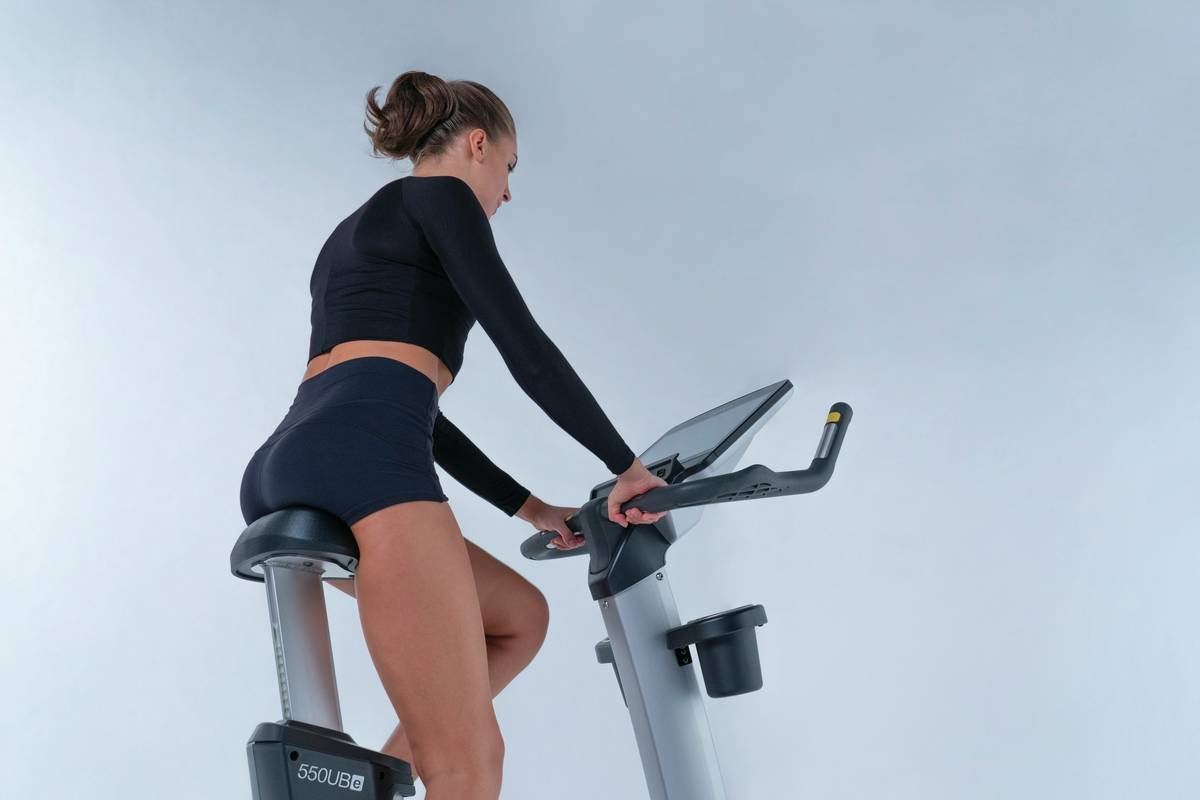
Forget vague cues like “add more tension.” A real spin resistance routine follows a periodized structure. Below is a science-backed, trainer-tested 30-minute protocol designed for fat loss—not just cardio entertainment.
Step 1: Warm-Up (5 minutes)
- Resistance: Light (Zone 1 – 30–40% effort)
- Cadence: 80–90 RPM
- Goal: Increase blood flow, lubricate joints, activate glutes
Step 2: Endurance Base (8 minutes)
- Resistance: Moderate (Zone 2 – 50–60% effort)
- Cadence: 70–80 RPM
- Focus: Steady-state fat oxidation. You should be able to speak full sentences.
Step 3: Power Intervals (12 minutes)
Alternate every 90 seconds:
- Work: High resistance (Zone 4 – 80–90% effort), cadence drops to 50–60 RPM. Stand if needed—this simulates hill climbs.
- Recovery: Low resistance (Zone 1), 90–100 RPM for active recovery.
Repeat 4x.
Step 4: Cool Down + Core Finisher (5 minutes)
- Reduce resistance gradually
- Add 2 minutes of seated core engagement (hands off handlebars, engage transverse abdominis)
Optimist You: “This routine builds lean muscle AND torches fat!”
Grumpy You: “Ugh, fine—but only if I can sip electrolyte water during the hill climbs.”
Pro Tips to Avoid Plateaus and Injury
Here’s how to get *more* from your spin resistance routine—without wrecking your knees or hating life:
- Tune resistance by feel, not numbers. Your bike’s dial is arbitrary. Use the “talk test”: If you can’t say more than 3 words during a high-resistance interval, you’re in the right zone.
- Sit back slightly during climbs. Leaning forward strains your lower back. Imagine sitting in a chair behind the saddle.
- Progress weekly. Every 7–10 days, add 1–2 minutes to your high-resistance blocks OR increase baseline resistance by 5–10%.
- Fuel within 45 minutes post-ride. A 3:1 carb-to-protein ratio (e.g., banana + Greek yogurt) replenishes glycogen and repairs muscle.
Terrible Tip Alert: “Just turn resistance to max and hold on for dear life.” Nope. That’s not strength training—it’s a fast track to knee pain and cortisol spikes that *block* fat loss.
Rant Time: Stop Fetishizing Sweat
Sweat ≠ calories burned. You can sweat buckets in a sauna and lose zero fat. Yet studios blast heat and dim lights like we’re in a vampire workout cult. Real fat loss comes from mechanical work over time—not puddles on the floor. Your clothes shouldn’t weigh 3 lbs post-ride. Just saying.
Real Results: A 12-Week Spin Resistance Journey
Last year, I coached Maya, a 42-year-old teacher, through a structured spin resistance program. She’d done daily Peloton rides for a year—mostly low-resistance pop classes—with minimal change.
We switched her to three 30-minute spin resistance routines per week using the protocol above, with progressive overload. No diet overhaul—just added 20g more protein/day and prioritized sleep.
Results at 12 weeks:
- -8.2 lbs body weight
- -3.1% body fat (measured via DEXA scan)
- +12% increase in leg strength (1-rep max leg press)
- Waist circumference down 2.4 inches
Her secret? “I stopped chasing ‘fun’ rides and started respecting resistance like weights,” she told me. “It felt harder at first—but my jeans finally fit.”
Spin Resistance Routine FAQ
How often should I do a spin resistance routine for weight loss?
3–4 times/week is ideal. Allow 48 hours between intense sessions for recovery. Pair with walking or yoga on off-days.
Can beginners handle high-resistance intervals?
Yes—with modifications. Start with 45-second work / 2-minute recovery intervals. Focus on posture over power. Gradually increase duration over 3–4 weeks.
Does outdoor cycling offer the same fat-loss benefits?
Only if you mimic resistance structure—i.e., riding hills or using a smart trainer with ERG mode. Flat road cruising at high cadence won’t deliver the same stimulus.
Should I eat before a spin resistance workout?
A small snack (100–150 cal) 30–60 mins prior helps performance: e.g., half a banana + almond butter. Training fasted may impair high-intensity output.
Conclusion
A spin resistance routine isn’t just another cardio drill—it’s a metabolic tool. When programmed correctly, it builds strength, boosts fat oxidation, and creates sustainable weight loss without starvation or burnout. Ditch the “pedal pretty” mindset. Embrace resistance like it’s your secret weapon (because it is).
Ready to stop spinning your wheels? Try the 30-minute routine above for two weeks. Track how your clothes fit—not just the scale. And remember: real change happens when effort meets strategy.
Like a Tamagotchi, your metabolism needs consistent, thoughtful care—not occasional panic feeding.