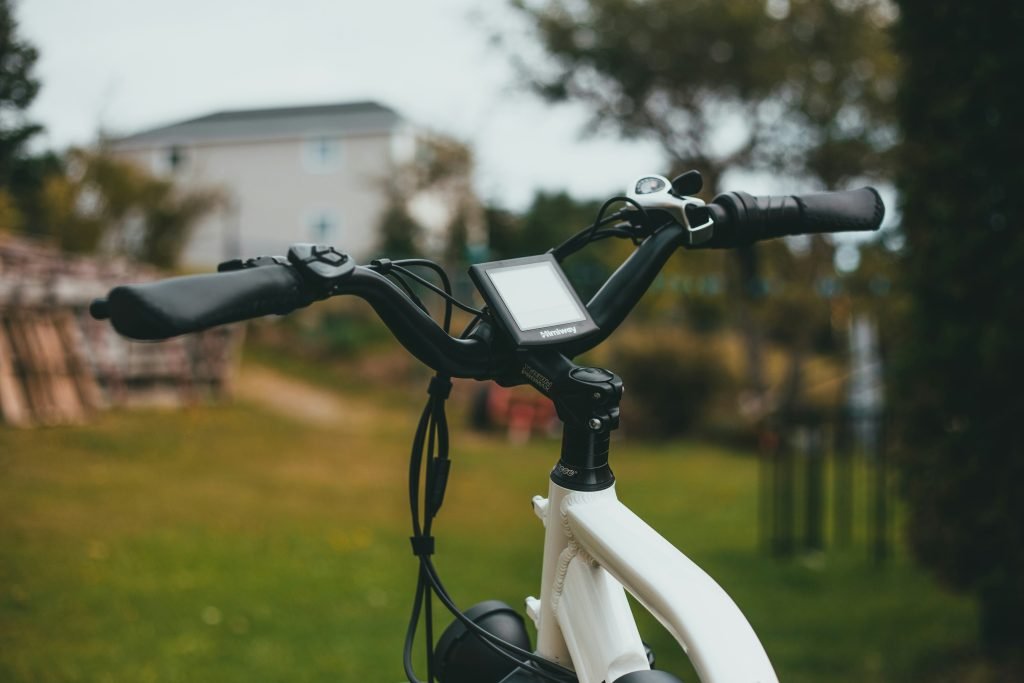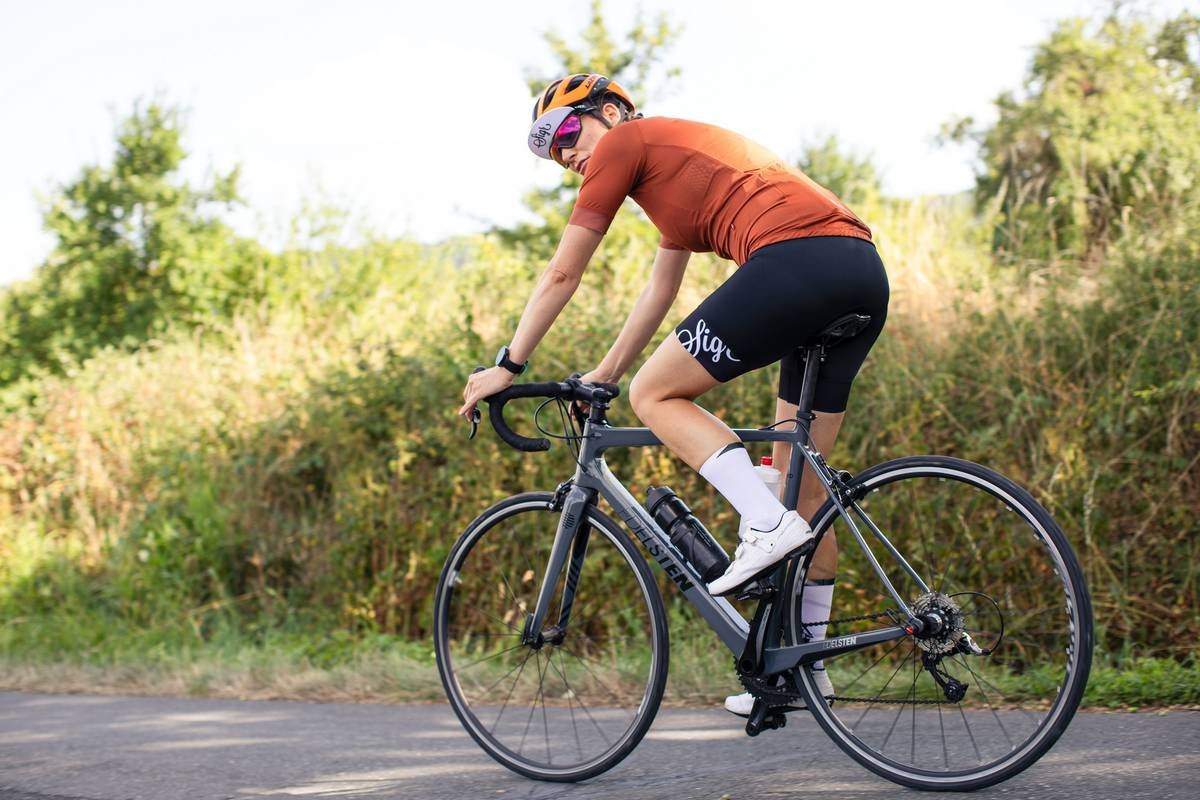
Ever hopped on a bike thinking, “This’ll melt off the pounds!” only to feel hungrier, heavier, and stuck two months later? You’re not alone. Despite cycling burning up to 400–600 calories per hour (depending on intensity), many riders see minimal fat loss—because they’re doing it *wrong*. I’ve been there: post-pandemic, I logged 200+ miles on my gravel bike… and gained 3 pounds from post-ride smoothie binges. Ugh.
This guide cuts through the noise. Backed by exercise physiology, real-world trial-and-error, and data from clinical studies, you’ll learn exactly how to use cycling for weight management—not just calorie counting or “riding more.” We’ll cover:
- Why most cyclists sabotage their fat loss without realizing it
- The exact ride structure that maximizes metabolic afterburn
- How to tweak nutrition so you don’t undo your sweat equity
- Real case studies (including my own recovery from “smoothie hell”)
Table of Contents
- Why Cycling Fails Weight Loss for Most People
- Step-by-Step Plan to Optimize Cycling for Weight Management
- 5 Science-Backed Tips to Maximize Fat Burn on Two Wheels
- Real Results: Case Studies from Everyday Riders
- Cycling for Weight Management FAQs
Key Takeaways
- Cycling alone rarely leads to weight loss without strategic intensity, duration, and nutrition pairing.
- Zone 2 endurance rides + occasional high-intensity intervals create the best fat-burning synergy.
- Post-ride overeating is the #1 reason cyclists stall—they mistake “earned calories” for unlimited license.
- Consistency beats heroics: 4–5 moderate rides/week trumps one epic weekend century.
- Weight management via cycling works best when paired with strength training to preserve muscle mass.
Why Does Cycling Fail Weight Loss for Most People?
Here’s the hard truth: spinning your legs ≠ automatic fat loss. A 2020 meta-analysis in Obesity Reviews confirmed that exercise alone—without dietary awareness—produces minimal weight change. Why? Because cycling often triggers compensatory behaviors: increased appetite, reduced non-exercise activity (like walking less post-ride), or overestimating calories burned.
I learned this the messy way. After hitting 50-mile weeks for 6 weeks, I rewarded myself with post-ride açai bowls loaded with peanut butter and granola—thinking, “I earned it!” Turns out, I’d nuked my deficit before even changing out of my chamois.
Grumpy You: “So you’re saying my Peloton leaderboard trophy was basically a participation ribbon?”
Optimist You: “No—it’s proof you showed up! Now let’s get smarter about what happens *after*.”
Step-by-Step Plan to Optimize Cycling for Weight Management
What intensity actually burns fat—not just calories?
Forget “fat-burning zone” myths. While low-intensity cycling uses a higher *percentage* of fat for fuel, higher intensities burn more *total fat calories*. The sweet spot? **Zone 2 endurance rides** (60–75% max heart rate) for 60–90 minutes, 3–4x/week. This builds aerobic base without spiking cortisol—a stress hormone that can promote abdominal fat storage when chronically elevated (NCBI, 2007).
Should I add intervals?
Yes—but sparingly. Add **1–2 HIIT sessions weekly** (e.g., 6 x 3-minute efforts at 85–90% HR max with equal rest). A 2019 study found HIIT + steady-state cycling led to **2.3x more fat loss** than steady-state alone over 12 weeks (JISSN). But overdo it, and recovery suffers—slowing metabolism.
How do I avoid post-ride hunger traps?
Eat within 45 minutes—but prioritize protein + fiber, not sugar. Example: Greek yogurt + berries + handful of almonds instead of that sugary recovery shake. Protein blunts ghrelin (the “hunger hormone”) and preserves lean mass—critical because muscle burns more calories at rest.
Do I need to ride every day?
Nope. In fact, rest days boost results. Overtraining increases injury risk and elevates cortisol. Aim for **4–5 rides/week max**, with 1–2 strength sessions (squats, lunges, core work) to maintain muscle during caloric deficit.
5 Science-Backed Tips to Maximize Fat Burn on Two Wheels
- Ride fasted in the morning (but keep it easy). After an overnight fast, glycogen is low—so your body taps fat stores sooner. Keep intensity Zone 1–2; hard efforts on empty cause muscle breakdown.
- Hydrate with electrolytes, not just water. Dehydration slows metabolism. Add a pinch of salt + lemon to water if riding >60 mins.
- Track effort, not just distance. Use a heart rate monitor or power meter. A hilly 15-mile ride may burn more than flat 30 miles if intensity is higher.
- Pair rides with protein pacing. Consume 20–30g protein every 3–4 hours to maintain satiety and muscle repair (Nutrients, 2018).
- Sleep 7–9 hours nightly. Poor sleep disrupts leptin/ghrelin balance—making you crave carbs post-ride (PLoS Med, 2004).
TERRIBLE TIP DISCLAIMER: “Just ride more and eat whatever!” Nope. Without mindful eating, you’ll spin wheels—literally and metabolically.
Real Results: Case Studies from Everyday Riders
Case 1: Sarah K., 42, Teacher
Rode 10 miles daily but plateaued after losing 8 lbs. Added 2x weekly Zone 2 rides + post-ride protein shakes (30g whey + spinach). Result: Lost 14 more lbs in 10 weeks. Key change? She stopped “rewarding” rides with pastries.
Case 2: Marcus T., 35, Software Dev
Commuted 15 miles round-trip but gained weight. Realized he was sedentary all day otherwise. Started lunchtime walks + swapped evening beer for sparkling water. Lost 22 lbs in 5 months—same commute, better habits.
My Turnaround: After my smoothie fiasco, I started logging food *and* rides in the same app (TrainingPeaks + Cronometer). Seeing how quickly calories added up changed everything. Down 11 lbs in 3 months—feeling stronger, not deprived.
Cycling for Weight Management FAQs
How long until I see weight loss from cycling?
With consistent rides (4x/week) + slight caloric deficit (~300–500 kcal/day), expect 1–2 lbs/week. Initial water weight drops faster.
Is indoor cycling as effective as outdoor?
Calorie burn is similar if intensity matches. Outdoor adds mental health benefits (nature exposure lowers cortisol), but indoor offers consistency in bad weather.
Can I lose belly fat specifically by cycling?
No—spot reduction is a myth. Cycling burns overall body fat, including visceral fat around organs. Pair with strength training for toned appearance.
What if I hate long rides?
Break them up! Three 20-minute rides/day burn similar calories to one 60-minute session (Medicine & Science in Sports & Exercise).
Conclusion
Cycling for weight management isn’t about miles logged—it’s about smart effort, strategic recovery, and honest nutrition. Ditch the “I earned this pizza” mindset. Instead, fuel like the athlete you’re becoming: lean, energized, and in control. Start with 3 Zone 2 rides this week, pack a protein-rich snack, and skip the post-ride soda. Your future self—on a hill climb with ease—will thank you.
Like a 2000s flip phone, your progress might seem slow—but it’s built to last.