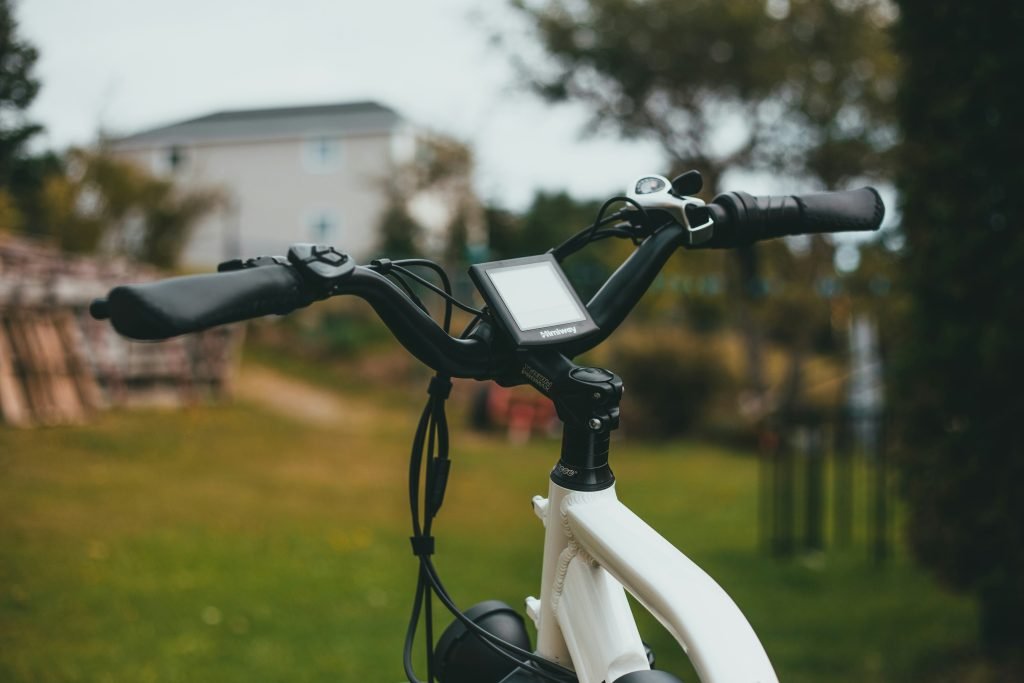
“Ever wondered why those long rides leave you feeling lighter—both in spirit and on the scale? Turns out, endurance cycling might just be your ticket to sustainable weight loss. But how do you even start without burning out or falling off your bike?”
If that sounds familiar, buckle up because we’re diving into everything from step-by-step training strategies to insider tips that’ll keep you pedaling toward success. By the end of this post, you’ll understand why endurance cycling works so well, how to avoid rookie mistakes, and even get a laugh or two at our expense.
Table of Contents
- Why Endurance Cycling Works for Weight Loss
- Step-by-Step Guide to Building Endurance on Two Wheels
- Top Tips and Best Practices for Success
- Real-Life Examples: From Couch Potato to Cyclist Extraordinaire
- FAQs About Endurance Cycling for Weight Loss
Key Takeaways
- Endurance cycling burns calories efficiently while building lean muscle mass.
- Avoid overtraining by starting slow and listening to your body.
- Investing in proper gear can prevent injuries and improve performance.
- Eating nutrient-dense foods pre- and post-ride is crucial for recovery.
- Consistency beats intensity when it comes to shedding pounds sustainably.
Why Endurance Cycling Works for Weight Loss
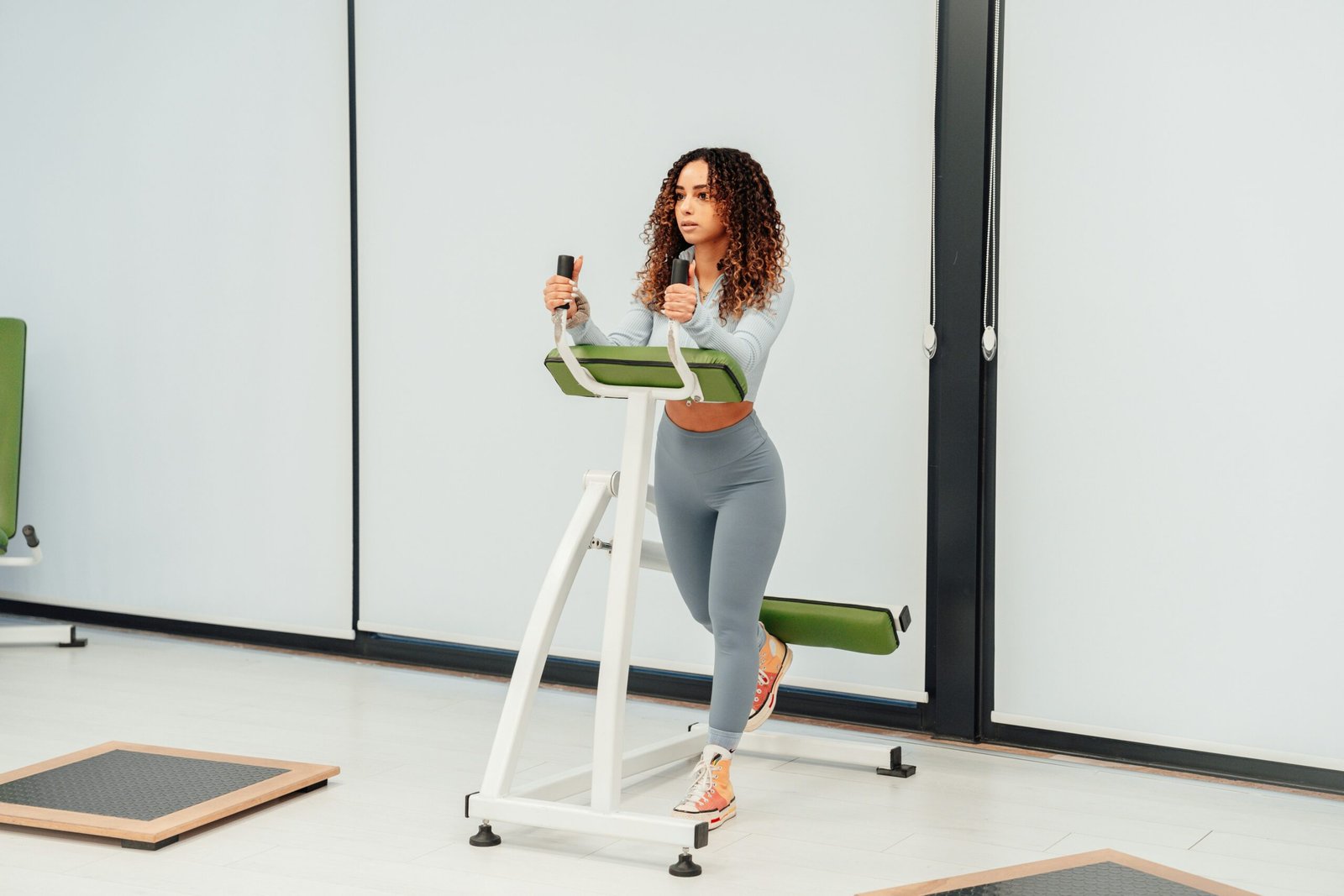
Let’s be real: diet fads come and go faster than TikTok trends, but one thing remains constant—the value of good ol’ cardio. And guess what? Endurance cycling isn’t just cardio; it’s a calorie-torching powerhouse. Studies show that an hour of moderate-intensity cycling can burn anywhere from 400 to 600 calories, depending on factors like speed, terrain, and effort.
Optimist You: “Yes! Sign me up!”
Grumpy You: “Hold on—I’m still traumatized from my last spinning class.”
Fair enough. Here’s where endurance cycling shines—it’s low-impact compared to running yet highly effective for torching fat. Plus, it builds strength and stamina over time instead of leaving you gasping after five minutes.
But let me confess something embarrassing. When I first started cycling seriously, I thought ‘endurance’ meant going full throttle until I passed out. Spoiler alert: It doesn’t. Instead, it’s about pacing yourself properly over longer distances. Lesson learned the hard way—but hey, now you won’t have to repeat my mistakes!
Step-by-Step Guide to Building Endurance on Two Wheels

Alright, let’s break down exactly how to build your endurance as a cyclist without losing your sanity—or lunch money.
Step 1: Set Realistic Goals
Before hopping on your bike, ask yourself: What’s achievable for me right now? Whether it’s aiming for a 10-mile ride or simply sticking with cycling three times a week, having clear objectives keeps you motivated.
Step 2: Invest in Proper Gear
Nope, we’re not talking about splurging on carbon fiber frames here. Start with essentials like padded shorts (trust us—you’ll thank us later) and a helmet designed for comfort. These small investments make a world of difference.
Step 3: Build Slowly, Increase Gradually
Week 1? Stick to flat terrain and short distances. Week 4? Try tackling some gentle hills. The key is gradual progression—you don’t want to wake up unable to walk down stairs.
Step 4: Focus on Nutrition
Fuel matters! Eat a balanced meal rich in carbs and protein before rides, then replenish afterward. Think oats, bananas, peanut butter toast—delicious stuff no one minds eating.
Step 5: Listen to Your Body
This part trips people up. Push yourself, yes, but also recognize signs of fatigue or injury. Rest days aren’t lazy—they’re smart.
Top Tips and Best Practices for Success
- Hydrate Like It’s Your Job: Dehydration messes with energy levels big time. Carry water bottles everywhere.
- Track Progress: Apps like Strava help monitor distance, speed, and elevation gained. Instant gratification feels great!
- Join a Group: Accountability buddies are clutch. Find local clubs or virtual communities.
- Prioritize Sleep: Recovery happens overnight. Aim for 7–9 hours.
- Terrain Variety Keeps Things Fun: Mix up hills, sprints, and steady-state rides to challenge different muscle groups.
One terrible tip? Skipping warm-ups. Seriously, stretching prevents countless injuries—don’t be that person.
Rant Time: Why does everyone think they need $5k bikes to start cycling?! That mindset holds back would-be riders every day. Start simple, learn, then upgrade only if necessary.
Real-Life Examples: From Couch Potato to Cyclist Extraordinaire

Meet Sarah. She went from barely walking her dog to completing century rides (that’s 100 miles!) within two years. Her secret? Consistent weekend rides paired with mindful eating habits. Now she crushes trails—and cookies—guilt-free.
Dave? Different story. He dove straight into 50-mile rides without preparation. Result? A pulled hamstring and six weeks sidelined. Learn from Dave: Pace yourself!
FAQs About Endurance Cycling for Weight Loss
Q: How many calories does endurance cycling burn?
A: On average, around 400–600 per hour, based on intensity and individual factors.
Q: Do I need special equipment?
A: Basics include a reliable bike, helmet, and comfy attire. Advanced gear isn’t mandatory.
Q: Can beginners jump into endurance cycling?
A: Absolutely, provided you start slowly and increase intensity gradually.
Q: How often should I cycle for results?
A: Three to five times a week is ideal, balancing rest days for optimal recovery.
Q: Is outdoor cycling better than stationary?
A: Both work wonders; choose what fits your lifestyle best.
Conclusion
To recap, endurance cycling combines efficiency, fun, and sustainability—all rolled into one glorious activity. Follow these steps, embrace consistency over perfection, and watch those extra pounds melt away. And hey, maybe throw in a little swearing along the way too because sometimes, that hill *is* insufferable.
Like a Tamagotchi, your fitness journey needs daily care. Keep pushing forward, one pedal stroke at a time. 🚴♀️💨
“Pedal hard, eat smart, sleep sound—repeat.”