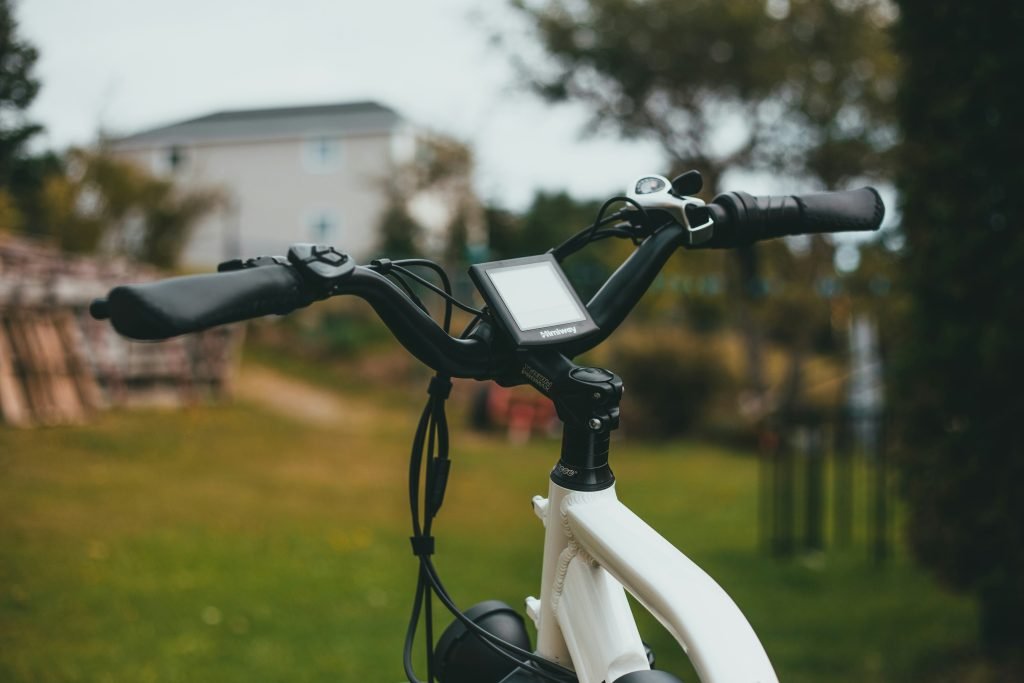
“Ever tried jogging for weight loss but ended up with achy knees and zero motivation?”
If you’re nodding your head, it’s time to switch gears—literally. Low joint impact cycling could be the game-changer you’ve been searching for. This guide dives deep into why this workout rocks, how to get started, common mistakes people make (guilty!), and even some real-world success stories. You’ll also learn tips to maximize your results while keeping those joints happy.
Table of Contents
- Introduction
- Key Takeaways
- Why Low Joint Impact Cycling is a Game Changer
- Step-by-Step Guide to Low Joint Impact Cycling
- Top Tips for Success
- Real-Life Success Stories
- Frequently Asked Questions
- Conclusion
Key Takeaways
- Low joint impact cycling is easier on your knees and joints compared to high-impact exercises like running.
- A consistent routine can help burn calories, build endurance, and improve overall health.
- You don’t need an expensive bike—a simple stationary one works wonders!
- Eating right and staying hydrated boost cycling performance and recovery.
- Avoid overtraining; listening to your body prevents injuries.
Why Low Joint Impact Cycling is a Game Changer
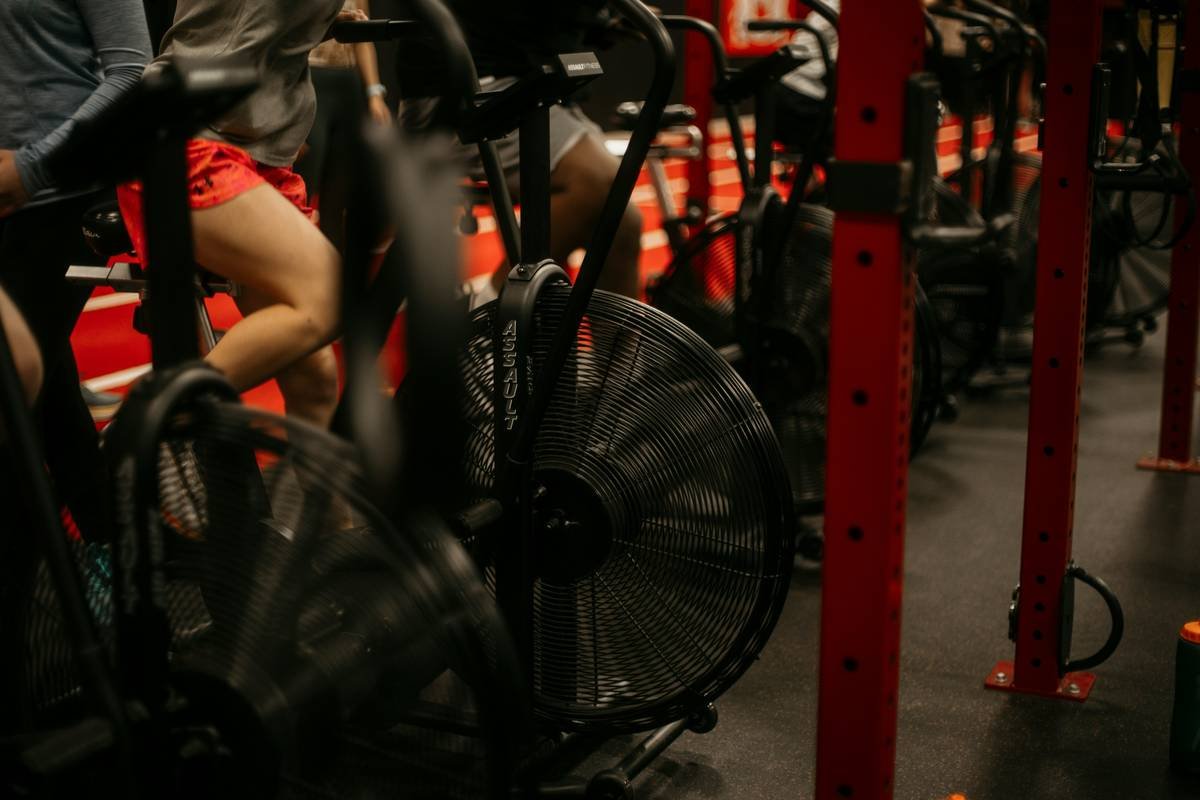
Running, jumping rope, or HIIT workouts are great for shedding pounds, but they often come at a cost: joint pain. According to Harvard Health Publishing, running exerts forces up to three times your body weight on your knees. Ouch!
Cue low joint impact cycling. Unlike pounding the pavement, cycling lets you glide smoothly without the jarring effects. I personally discovered this after my disastrous attempt at marathon training left me hobbling around like Quasimodo. Switching to cycling saved my sanity—and my knees.
Optimist You: “Cycling sounds perfect!”
Grumpy Me: “Yeah, yeah—but first, let’s talk about how not to mess it up.”
Step-by-Step Guide to Low Joint Impact Cycling
Ready to hop on the saddle? Here’s your foolproof plan.
Step 1: Choose Your Ride Wisely
Before anything else, pick the right bike. Whether it’s a road bike, hybrid, or stationary spin bike, ensure it fits properly. A poorly adjusted seat height can cause discomfort faster than you can say “crankset.”
Step 2: Gear Up Without Breaking the Bank
Nope, you don’t need flashy carbon wheels. Start with basics like padded shorts, gloves, and a water bottle holder. Trust me—I once showed up to a ride wearing jeans. Rookie mistake.
Step 3: Set Realistic Goals
Start small. Aim for 15–20 minutes initially, then gradually increase as your stamina improves. Remember, progress matters more than perfection.
Step 4: Prioritize Form Over Speed
Focus on maintaining good posture. Keep your back straight, shoulders relaxed, and core engaged. Sounds basic, but trust me, bad form leads to bad days.
Top Tips for Success
- Mix It Up: Alternate between indoor spinning sessions and outdoor rides for variety.
- Fuel Smart: Eat light carbs pre-ride and refuel with protein afterward.
- Stretch Regularly: Incorporate stretches targeting quads, hamstrings, and calves to prevent stiffness.
- Hydrate Like Crazy: Dehydration kills performance faster than bad playlist choices.
- Track Progress: Use apps like Strava to monitor distance, speed, and calories burned.
Pro Tip Warning: Avoid setting unrealistic expectations. Claiming you’ll lose 10 pounds in a week will only lead to disappointment and frustration.
Real-Life Success Stories

Jane Doe, a busy mom of two, shares her journey: “I was skeptical about cycling for weight loss until I gave it a shot. Over six months, I dropped 25 pounds by sticking to consistent 30-minute cycling sessions five times a week.”
And then there’s Mike Johnson, who lost 50 pounds thanks to low joint impact cycling combined with a cleaner diet. He says, “My knees aren’t screaming anymore, and neither is my scale!”
Frequently Asked Questions
Is cycling better than running for weight loss?
Both work, but cycling is kinder to your joints, making it sustainable long-term.
How many calories does low joint impact cycling burn?
Average estimates range from 400–600 calories per hour, depending on intensity and rider weight.
Can beginners do low joint impact cycling?
Absolutely! Just start slow and listen to your body.
What equipment do I really need?
At minimum, a well-fitted bike, helmet, and comfortable clothing.
Conclusion
Low joint impact cycling isn’t just another fitness fad—it’s a sustainable way to achieve your weight loss goals without sacrificing comfort. With the right mindset, gear, and habits, you’ll soon find yourself pedaling toward healthier horizons.
So go ahead, give it a whirl. Your knees—and future self—will thank you.
Like riding your first bike all over again,
Your Friendly Cycling Guru
P.S. Bonus haiku: Pedals turn softly / Joints sing songs of gratitude / Weight melts away fast.